AI coding's new bottleneck: agent orchestration
Teams can spin up AI coders easily now. The harder part is routing, supervising, and rescuing several agents before the workflow turns into terminal soup.
 AI News SiloCuration Over ChaosAI News SiloCuration Over ChaosAI News Silo organizes the latest AI news articles about everything in artificial intelligence today.
AI News Silo organizes the latest AI news articles about everything in artificial intelligence today.
Category archive
Follow AI Tools coverage across coding assistants, developer workflows, tool orchestration, agent runtimes, and the products people actually work inside all day.
Why this category exists
AI Tools coverage from AI News Silo, covering AI developer tools, coding assistants, workflow automation, agent tooling, and the software surfaces shaping everyday adoption.
High-signal themes
Core search targets: AI tools news, AI developer tools, AI coding tools.
Teams can spin up AI coders easily now. The harder part is routing, supervising, and rescuing several agents before the workflow turns into terminal soup.
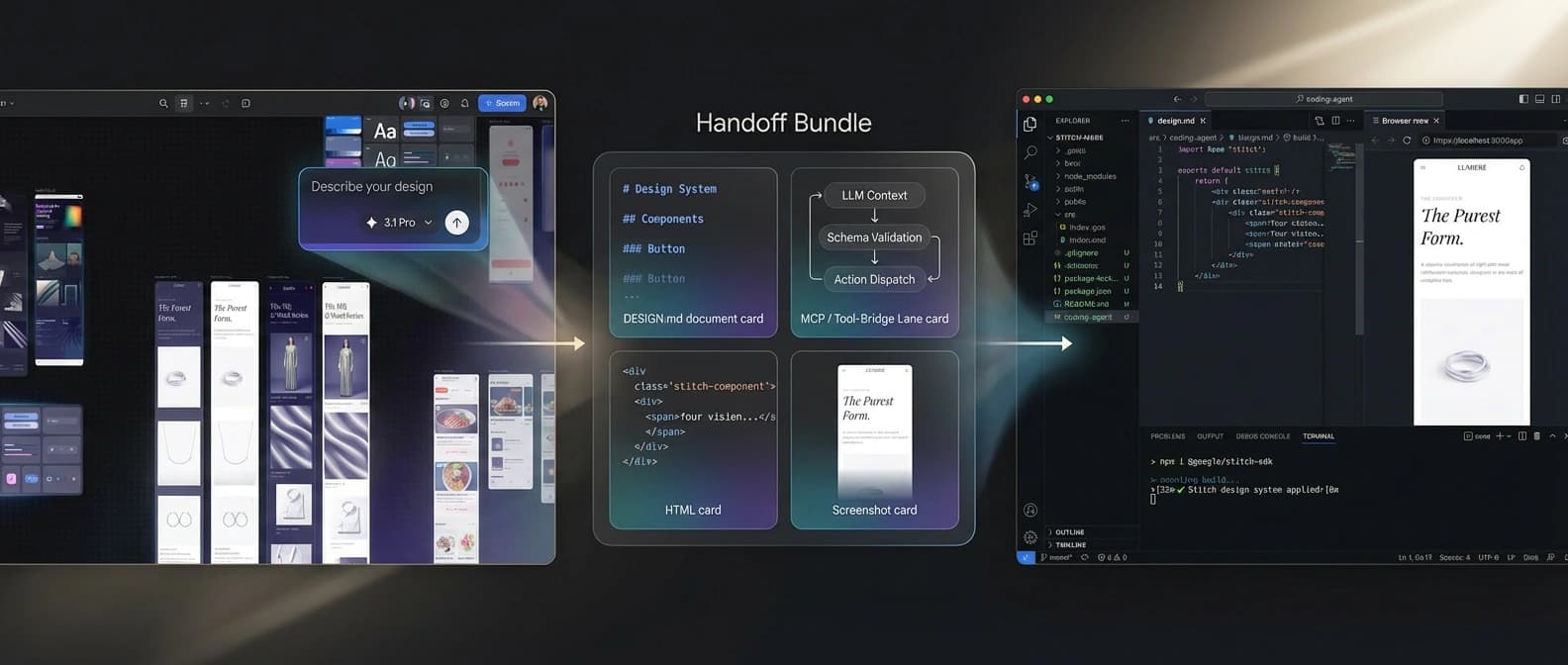
Google Stitch 2.0 adds DESIGN.md, MCP, and SDK hooks so AI-generated UI can move from mockup theater into something coding agents can actually use.
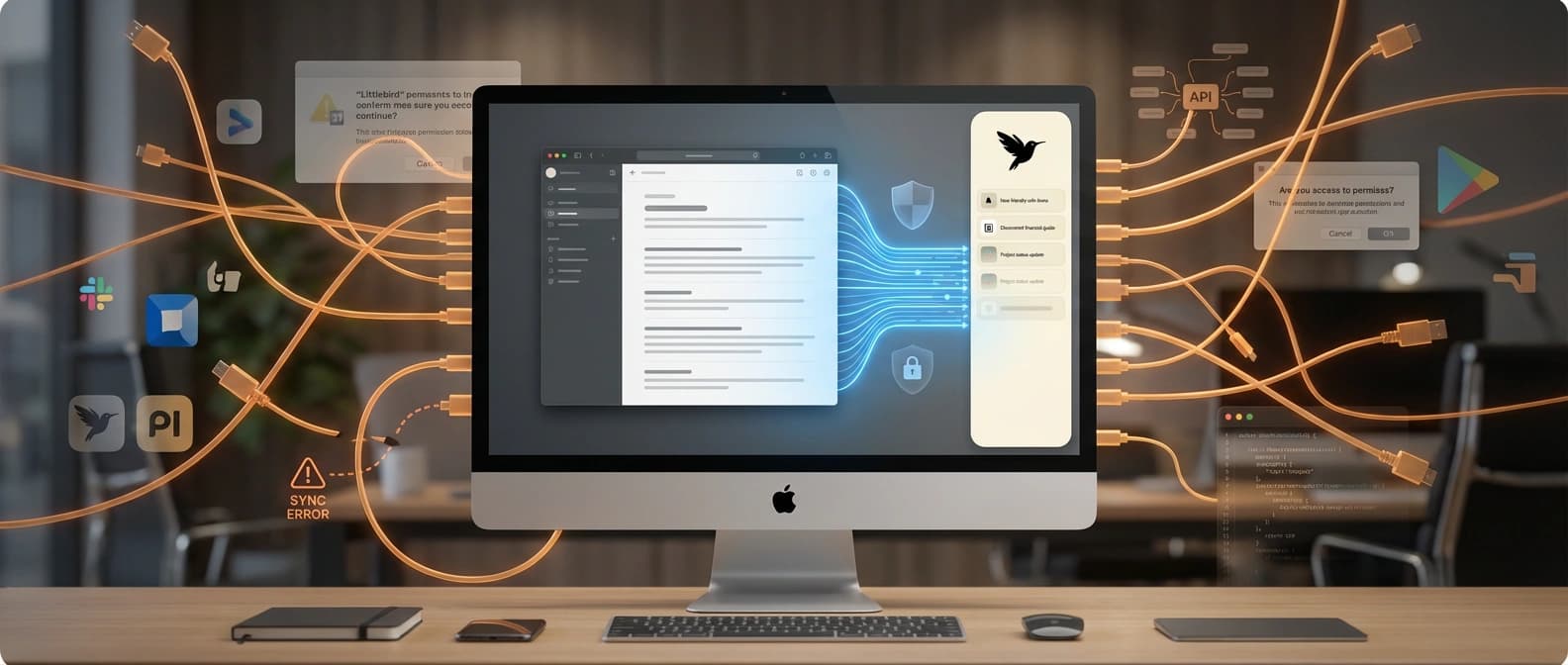
Littlebird AI skips the integration maze by reading the active window instead. That could be the fastest route to assistant context and the fastest route to backlash.
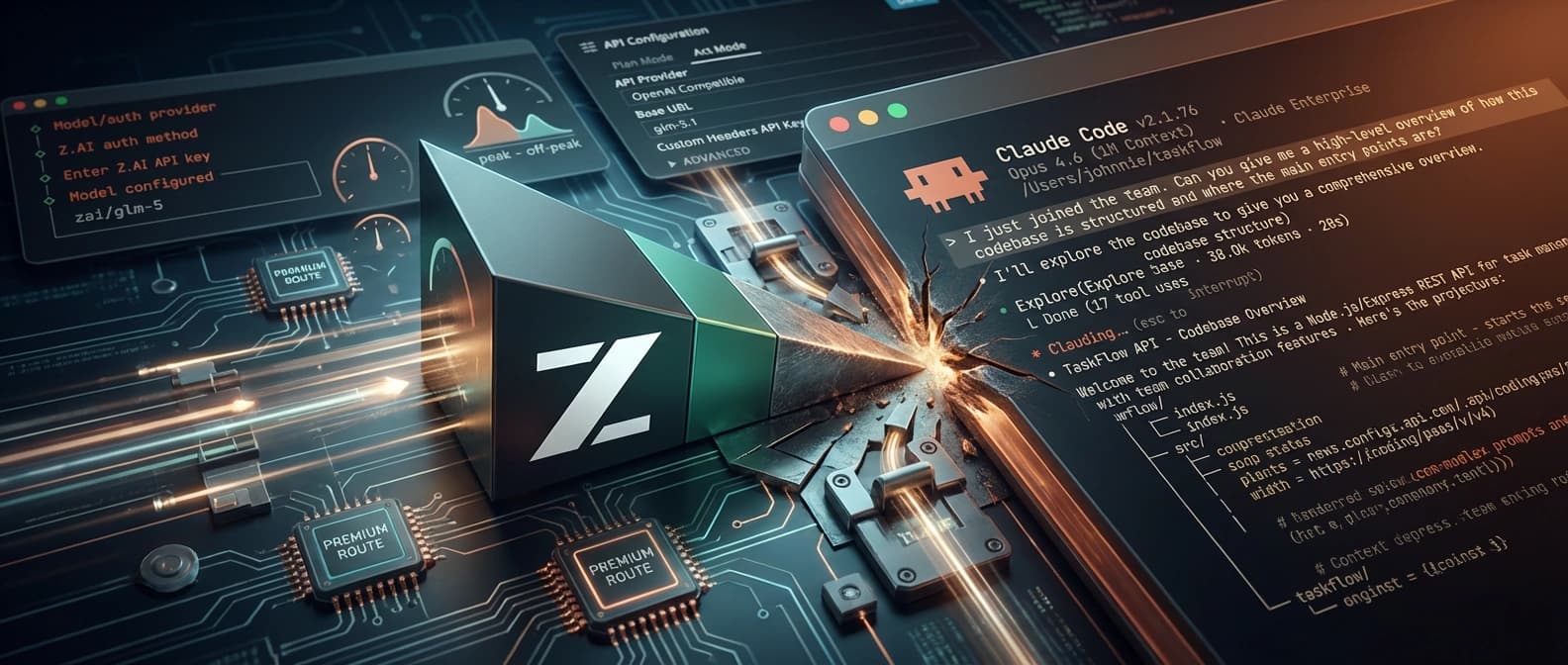
z.ai did not just ship another benchmark chart. It put GLM-5.1 in front of every Coding Plan tier and documented the manual path into Claude Code, OpenClaw, and Cline.
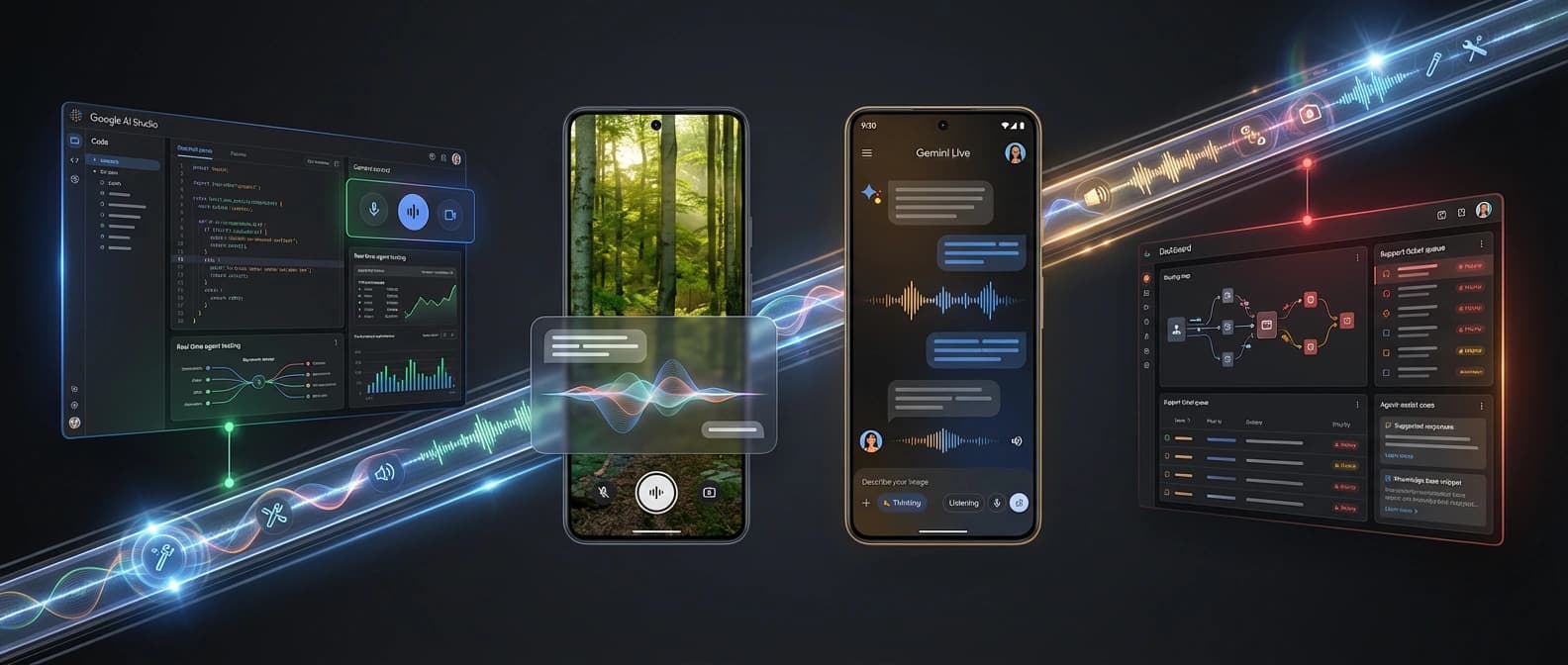
Gemini 3.1 Flash Live matters less as a voice upgrade than as Google's shared real-time rail for AI Studio, Search Live, Gemini Live, and enterprise CX.
OpenCode removed bundled Claude Pro/Max auth paths after Anthropic legal requests, pushing third-party wrappers back toward API keys and usage-based billing.
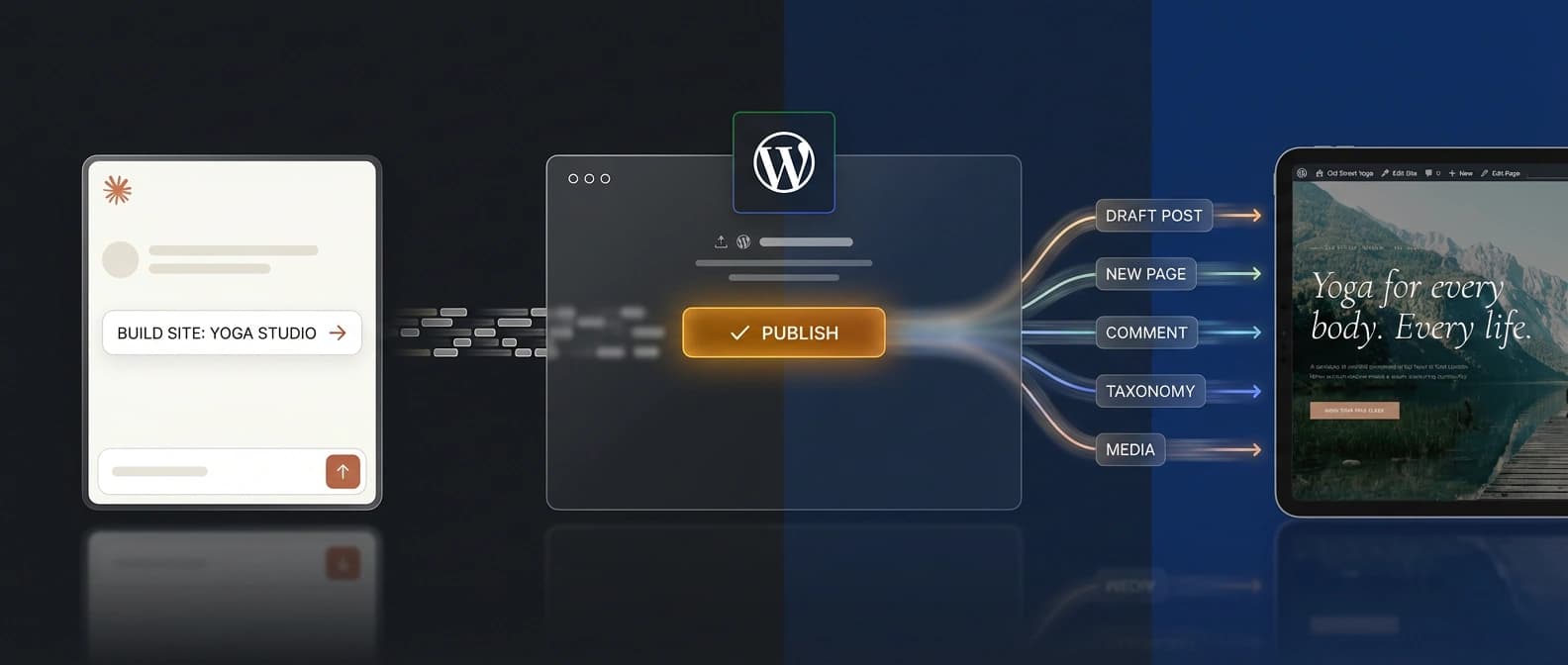
WordPress.com AI agents can now move from reading site data to creating drafts, editing pages, moderating comments, and managing taxonomy through MCP.
Anthropic’s Dispatch plus computer use let Claude Code take instructions from your phone and act on your real desktop under explicit app permissions.
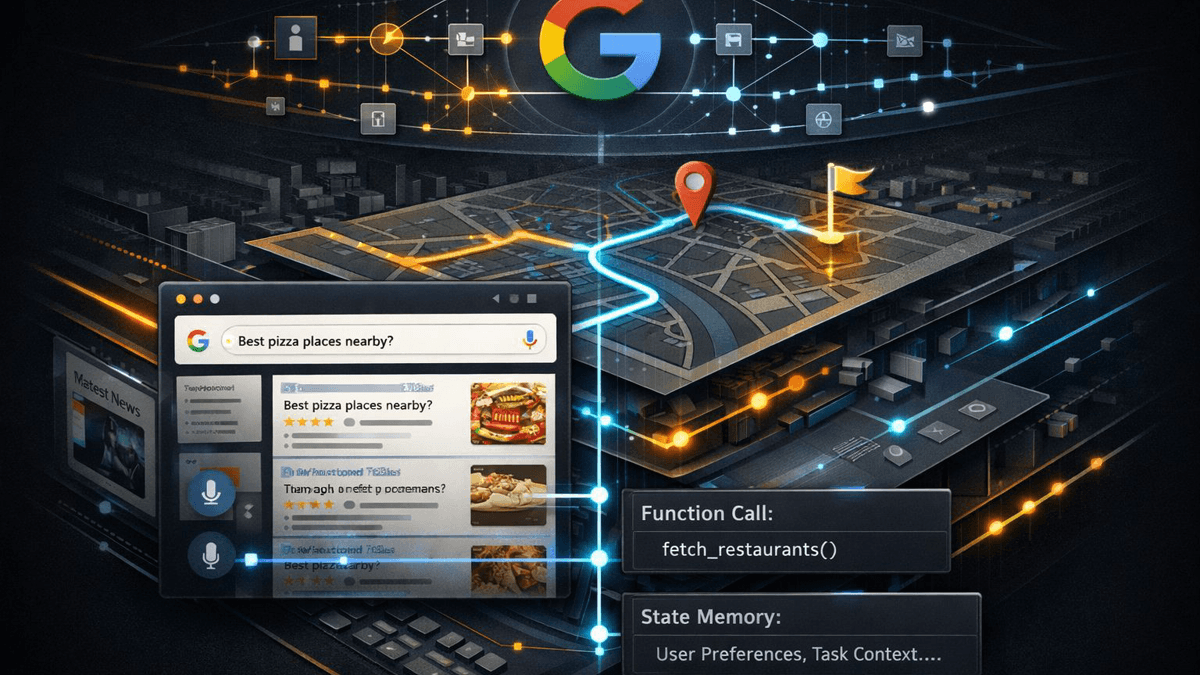
Google's latest Gemini API release bundles tool combination, server-side state, Search, and Maps into a tighter agent stack that is easier to ship and harder to leave.
Together AI's fine-tuning expansion matters less as a feature list than as evidence that post-training is becoming the control point for reliable agent products.
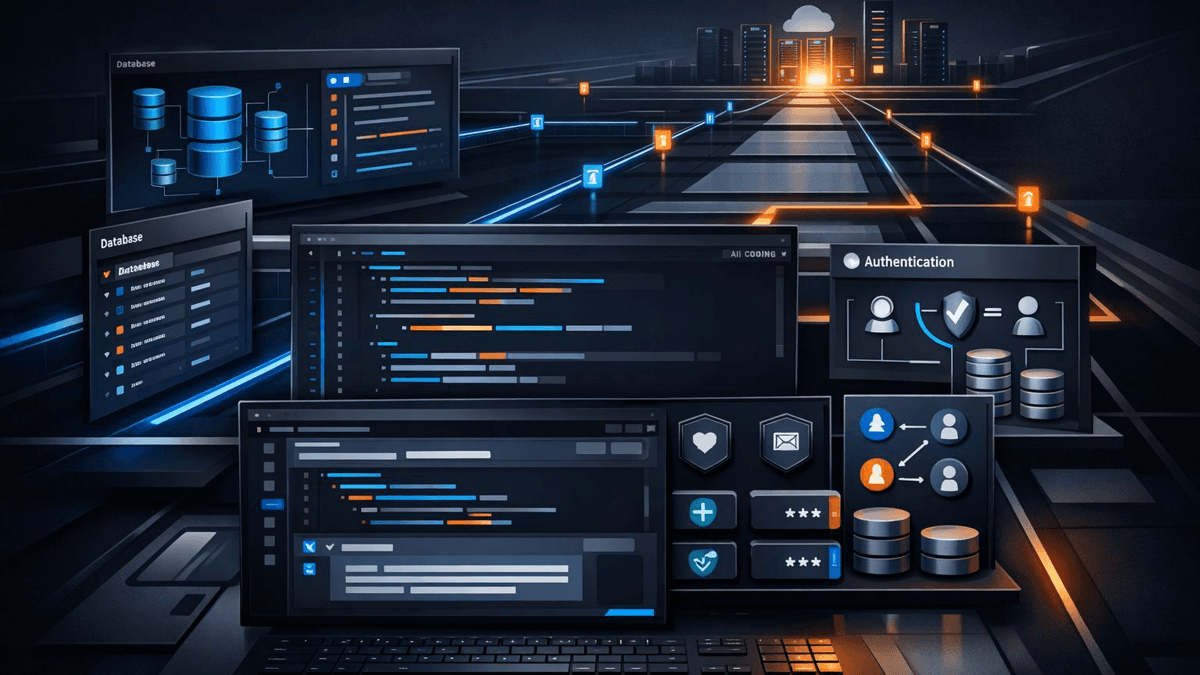
Google AI Studio is starting to look like a real app-building surface. I think the company wants to own the route from prompt to backend state to handoff.
I read OpenAI's Astral deal as a workflow move, not a trophy move. Codex gets closer to the Python checkpoints developers already trust every day.