OpenAI Astral deal is a Python workflow power grab
I read OpenAI's Astral deal as a workflow move, not a trophy move. Codex gets closer to the Python checkpoints developers already trust every day.

 ainewssilo.com
The strategic asset is not Python prestige. It is the daily workflow checkpoint developers cannot skip.
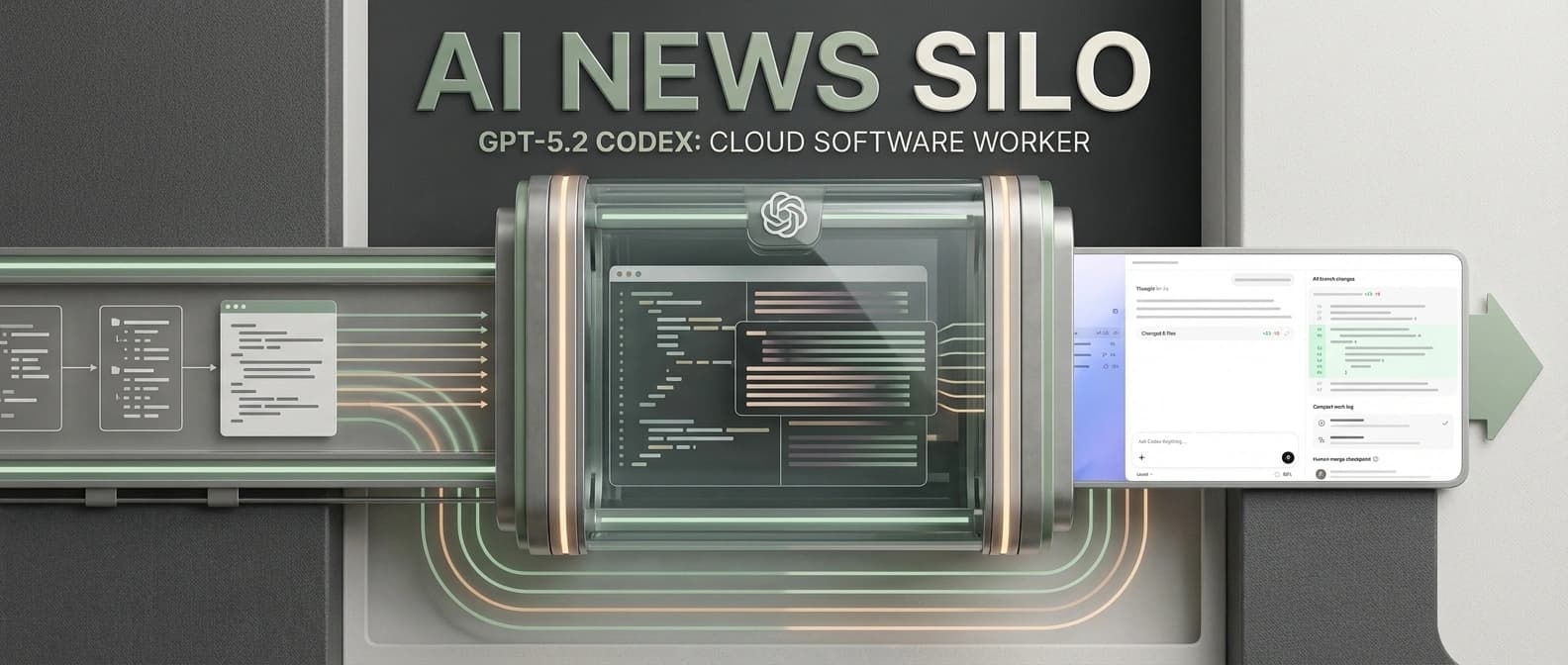
OpenAI's planned Astral acquisition should be read as more than a talent grab. In its own announcement, OpenAI says the deal would bring Astral's open-source tooling into the Codex ecosystem so AI can work more directly with tools developers already rely on every day. That wording matters. The strategic prize is not just a respected Python team. It is control over workflow checkpoints that developers already trust.
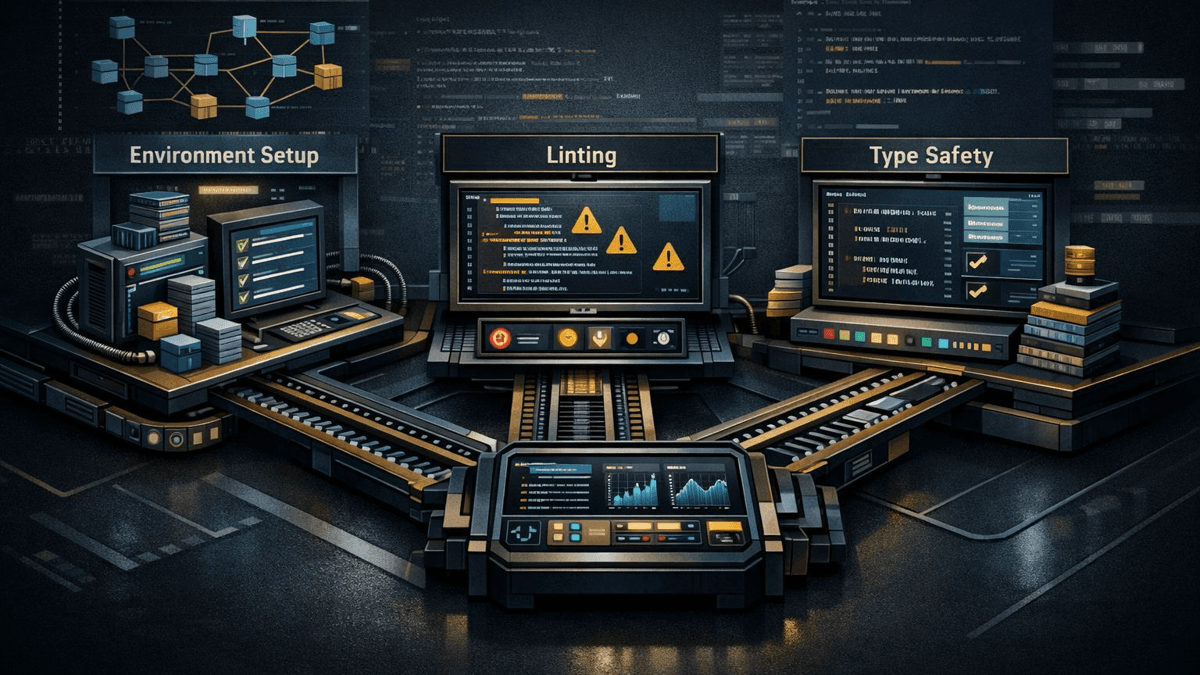
Astral sits in unusually valuable parts of the Python toolchain. Its founder says uv, Ruff, and ty grew into foundational tools for modern Python development, and OpenAI echoed that language in its own post. Those products touch environment setup, code quality, and type safety — the parts of the workflow that decide whether code actually fits into a real project instead of dying in a demo tab.
That is why this looks like a distribution move. We already framed a similar pattern in OpenAI's earlier agent-platform shift: the company wants more of the workflow around the model, not just the model call itself. Astral gives Codex a stronger claim on the Python lane of that workflow.
Astral sits where developer habit forms
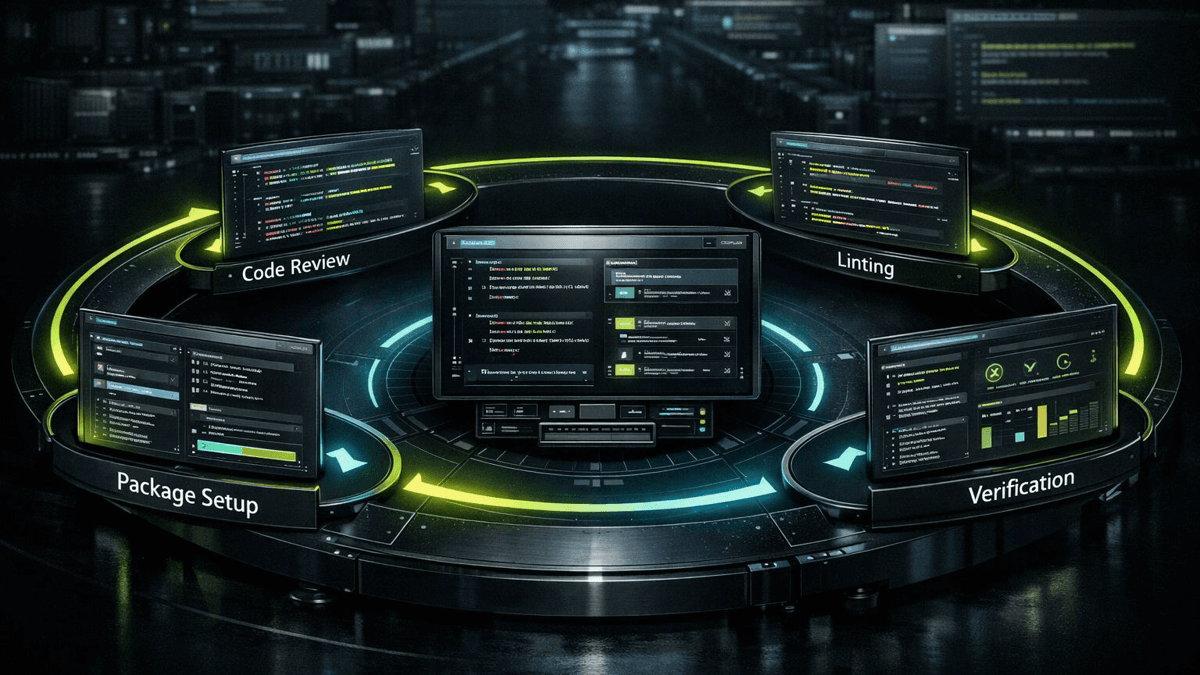
A coding assistant becomes durable when it shows up at the moments developers cannot skip. Package setup, environment management, linting, and type checking are not glamorous, but they are daily habits. By buying into those surfaces, OpenAI gains a path to make Codex feel less like an optional helper and more like the organizing layer above routine Python work.
That matters because distribution in developer tools often follows muscle memory. If a team already reaches for Astral-built tooling at setup and verification time, Codex has a better chance of becoming part of the same loop. For an AI Products story, that is the core signal: the faster way to win a coding market is to sit inside the workflow, not just beside it on a benchmark chart.
Codex needs workflow hooks, not another demo
OpenAI says Codex has over 2 million weekly active users and has seen 3x user growth and 5x usage growth since the start of the year, according to the company announcement and CNBC's report. Those are strong numbers, but usage growth alone does not lock in a developer platform. The stickier advantage comes when the product can help plan changes, run tools, verify results, and keep projects clean after code generation.
Astral fits that need unusually well. As Ars Technica notes, uv, Ruff, and ty already map to real Python development pain points. If Codex can eventually hook into those trusted checkpoints, OpenAI is no longer selling only a coding assistant. It is selling a cleaner default path through the Python workflow.
Keeping Astral open keeps the channel open
Both companies were careful to say the same thing about open source. OpenAI says it plans to keep supporting Astral's open-source products after closing, and Astral says it will keep building those tools in the open alongside the broader Python ecosystem. That matters because closing the tools would weaken the very distribution channel OpenAI is trying to strengthen.
Keeping the projects open lets OpenAI inherit trust instead of fighting it. It also lowers the immediate risk for Python teams that like Astral's tooling but do not want their workflow trapped overnight. Readers tracking the broader OpenAI tag or the newer developer platforms archive should read that promise as strategic reassurance, not a minor footnote.
What Python developers should watch next
The next question is not whether the acquisition closes tomorrow; it is where workflow integration shows up first if it does close. The most meaningful signs would be deeper Codex awareness of Python environments, lint-and-fix loops, and type-check states that help developers move from suggestion to verified change without leaving the toolchain.
If that happens, this deal will look less like an acqui-hire and more like a bid to own the road between idea and merged Python code. That makes it a natural fit for the AI Tools category and for the broader workflow-distribution lens running through Talia Reed's recent archive. The companies announced a transaction. The real contest is over who gets to become the default surface where developers work.
Source file
Public source trail
These links anchor the package to the underlying reporting trail. They are not a substitute for judgment, but they do show where the reporting starts.
Provides the announcement date, the stated Codex rationale, the open-source support language, and OpenAI's usage figures for Codex.
Confirms Astral's view of the deal, the open-source commitment after closing, and the centrality of Ruff, uv, and ty to modern Python workflows.
Adds deal context, confirms no disclosed financial terms, and repeats Codex's more than 2 million weekly active users.
Supplies external framing for why uv, Ruff, and ty matter inside the Python toolchain and why tighter Codex integration matters.

About the author
Talia Reed
Talia reports on product surfaces, developer tools, platform shifts, category shifts, and the distribution choices that determine whether AI features become durable workflows. She looks for the moment where a launch stops being a demo and becomes an ecosystem move.
- 34
- Apr 1, 2026
- New York
Archive signal
Reporting lens: Distribution is usually the story hiding inside the launch.. Signature: A feature matters when it changes someone else’s roadmap.
Article details
- Category
- AI Tools
- Last updated
- April 11, 2026
- Public sources
- 4 linked source notes
Byline
Covers product surfaces, tools, and the adoption moves that turn AI features into durable habits.