OpenAI acquires TBPN and buys the AI stage
OpenAI acquires TBPN may look like a media deal, but the sharper read is distribution: OpenAI just bought a live room for launches, guests, and the daily AI conversation.

 ainewssilo.com
OpenAI did not just buy a show. It bought a room where AI launches can happen in public without leaving the company orbit.
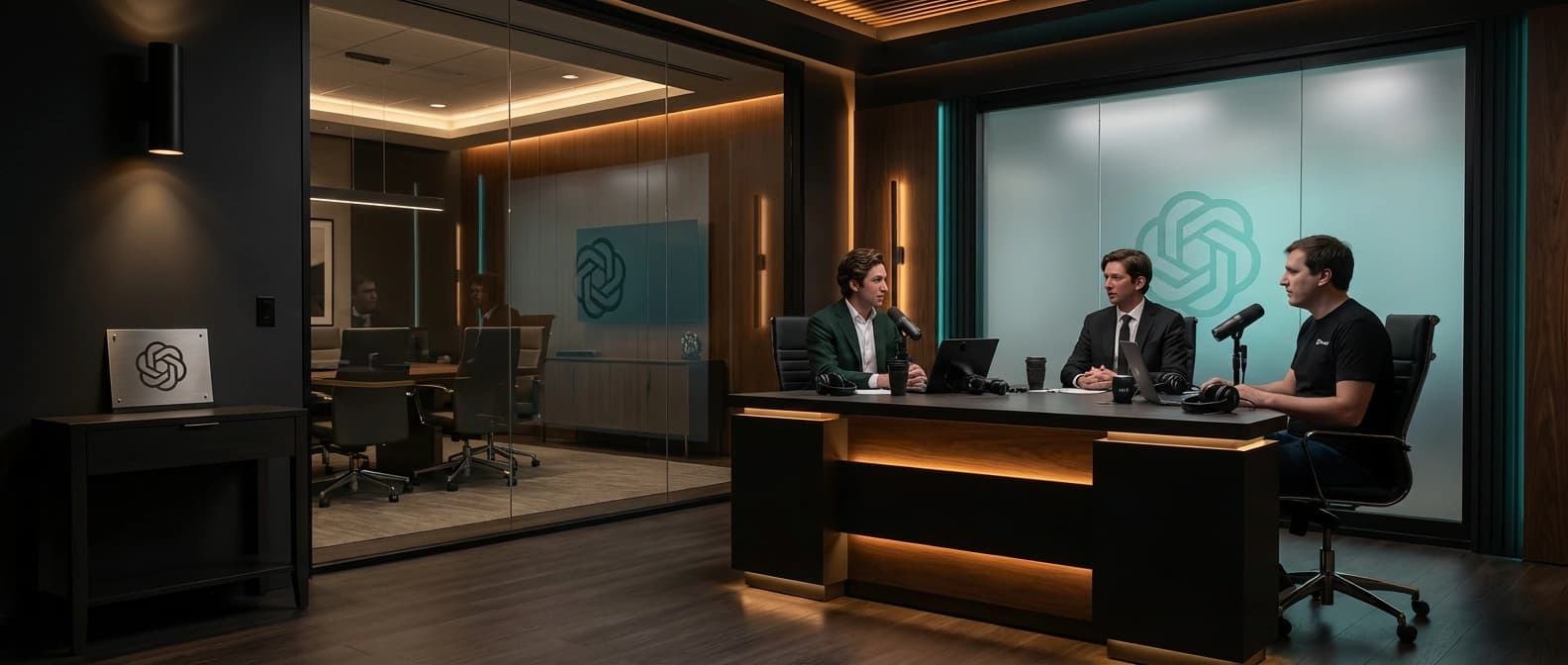
OpenAI did not just buy a media startup. It bought a room.
That is my read on the company's acquisition of TBPN, announced in matching posts from OpenAI and TBPN. On paper, this is a media deal with unusually earnest language about editorial independence. In practice, it looks more like OpenAI buying a live venue where AI launches, industry gossip, executive positioning, and founder-to-founder chemistry already happen every day.
Cute phrase. But it matters.
Why OpenAI acquires TBPN looks like a distribution move
The biggest clue is not buried very deep. In OpenAI's post, Fidji Simo says the standard communications playbook does not apply to OpenAI, and that the company has a responsibility to help create space for a real conversation about how AI is changing work and daily life. She then says TBPN has already built exactly that space.
That is not the language of a company merely buying ad inventory or a convenient little podcast. It is the language of a company that wants a permanent stage, one with an audience already seated and the microphones already warm.
I keep coming back to the word space. OpenAI is not saying, "we wanted better press releases." It is saying it wanted a place where the AI conversation happens in real time, with builders, operators, and curious spectators all milling around the same digital green room. If OpenAI's agents platform shift was about owning more of the workflow, this is about owning more of the surrounding attention.
There is a reason that feels familiar. We have already watched OpenAI get more interested in controlling where discovery starts, whether that means the developer loop, the shopping interface in ChatGPT's product-discovery pivot, or the capital-heavy infrastructure story behind its giant compute flywheel. TBPN fits that pattern. It is another surface. Just louder. And with better lighting.
What TBPN is, and why OpenAI wanted the whole set
TBPN is not a sleepy newsletter with a tasteful serif logo and one brave intern. It is a daily live tech talk show built around pace, access, and the odd but effective energy of a financial-TV set colliding with startup group chat. OpenAI's own post describes it as one of the places where the AI and builder conversation is actually happening day to day, and notes that The New York Times recently called it "Silicon Valley's newest obsession."
That matters because habit is the real asset here. An audience that shows up live, a format that feels native to launch-day chaos, founders who already know how to book influential guests, and a studio look people recognize at a glance: OpenAI did not have to build any of that from scratch. It bought the conference hall, the backstage pass, and the snack table in one motion.
TBPN's own announcement makes the strategic angle even less subtle. It says OpenAI will help scale TBPN as a platform for live conversations, product and industry dialogue, and the reach of new ideas, tools, and technologies. That reads less like old-media acquisition copy and more like someone accidentally pasted a launch-distribution memo into the press release.
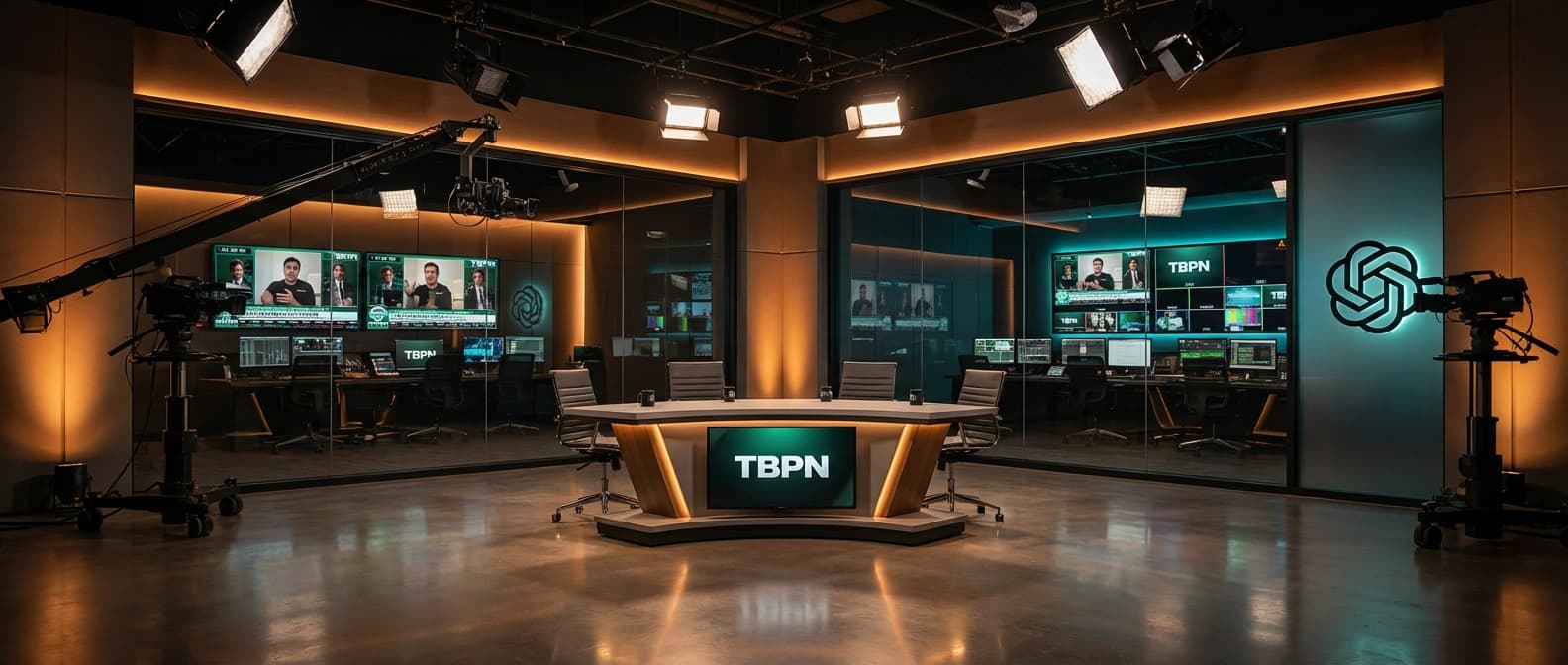
This is why I do not think OpenAI acquires TBPN is mainly a story about content. It is a story about venue control. A company that already dominates a huge share of AI attention just bought a place where that attention gets organized, rehearsed, and turned into daily habit.
TBPN editorial independence now has to survive ownership
Here is the awkward part, and a lot of early reaction on Hacker News went straight to it: TBPN and OpenAI are both promising editorial independence, but ownership changes the air in the room even when nobody shouts.
OpenAI says TBPN will continue to run programming, choose guests, and make its own editorial decisions. TBPN goes even further, saying it will retain full editorial control with contractual protections it calls the Editorial Independence Covenant. Fine. Good, even. You want that language in writing.
But a contract is not a force field. It is a starting point.
The covenant may be sincere. The gravity is real.
The harder problem is softer than censorship. Nobody needs to kick down the studio door and swap out the guest list by hand. Incentives do subtler work than that. Proximity changes tone. Employment changes instinct. The company paying the bills becomes the company people hesitate to embarrass unless they really mean it.
That does not mean TBPN instantly turns into a corporate puppet theater. It does mean the promise now has to survive real situations: a messy OpenAI launch, a rival founder with something unpleasant to say, a guest who wants to press on safety, power, or product failures, maybe even another story like the Sora-Disney collapse, where the cleaner company line was not the most interesting one.
This is like buying the wedding venue and promising not to influence the toast. The promise can be heartfelt. The seating chart still changed.
Fidji Simo and Chris Lehane tell you where this sits inside OpenAI
The other revealing detail is organizational. OpenAI says TBPN will sit within its Strategy org and report to Chris Lehane. Simo also praises TBPN's comms and marketing instincts and says she wants to use that talent beyond the show to innovate how OpenAI brings AI to the world.
That is the tell.
This is less patron-of-the-arts energy and more very expensive stage management.
If this were chiefly a philanthropic save for independent tech media, it would not read like a strategy-and-communications asset. It would read like a benefactor story. Instead, OpenAI is describing TBPN as both a live platform and a talent acquisition for how the company explains itself, launches things, and keeps the broader AI conversation moving inside a space it now partially owns.
So yes, this is a media acquisition. But I think the sharper description is this: OpenAI bought a live distribution channel that already looked editorial enough to earn trust and already looked entertaining enough to hold attention. That is a very different thing from buying a publication for prestige.
OpenAI just bought the room where AI gets narrated
The open question is whether TBPN can stay genuinely surprising from inside the company orbit. Maybe it can. The covenant language is stronger than the usual "trust us" fluff, and both sides seem aware that credibility is the whole game.
Still, the strategic move is hard to miss. OpenAI did not just buy another mouthpiece. It bought a room where launches can happen, guests can gather, and the mood of the industry can be set in real time. If the independence promise holds, TBPN could become a strange but important experiment in owner-backed editorial autonomy. If it does not, this will look less like a bold media bet and more like OpenAI quietly buying the public-address system.
Silicon Valley already has enough theater. It does not need another fog machine.
Source file
Public source trail
These links anchor the package to the underlying reporting trail. They are not a substitute for judgment, but they do show where the reporting starts.
Core announcement with Fidji Simo's rationale, the editorial-independence promise, and the note that TBPN will sit inside OpenAI's Strategy org reporting to Chris Lehane.
TBPN's own announcement adds the platform and launch-distribution framing, plus the "Editorial Independence Covenant" language.
Video source for the announcement packaging and the live-show context, used as supporting texture rather than as the sole source for hard claims.
Useful for early reader skepticism around ownership and editorial independence, but not treated as evidence of broad public consensus.

About the author
Maya Halberg
Maya writes across the AI field, from research claims and benchmark narratives to tools, products, institutional decisions, and market shifts. Her reporting stays focused on what changes once hype meets deployment, procurement, workflow reality, and human skepticism.
- 24
- Apr 11, 2026
- Stockholm · Remote
Archive signal
Reporting lens: Methodology over launch theater.. Signature: A result only matters after the setup becomes legible.
Article details
- Category
- AI Products
- Last updated
- April 11, 2026
- Public sources
- 4 linked source notes
Byline
Writes across the AI field with an eye for what survives contact with real users, real budgets, and real operating constraints.