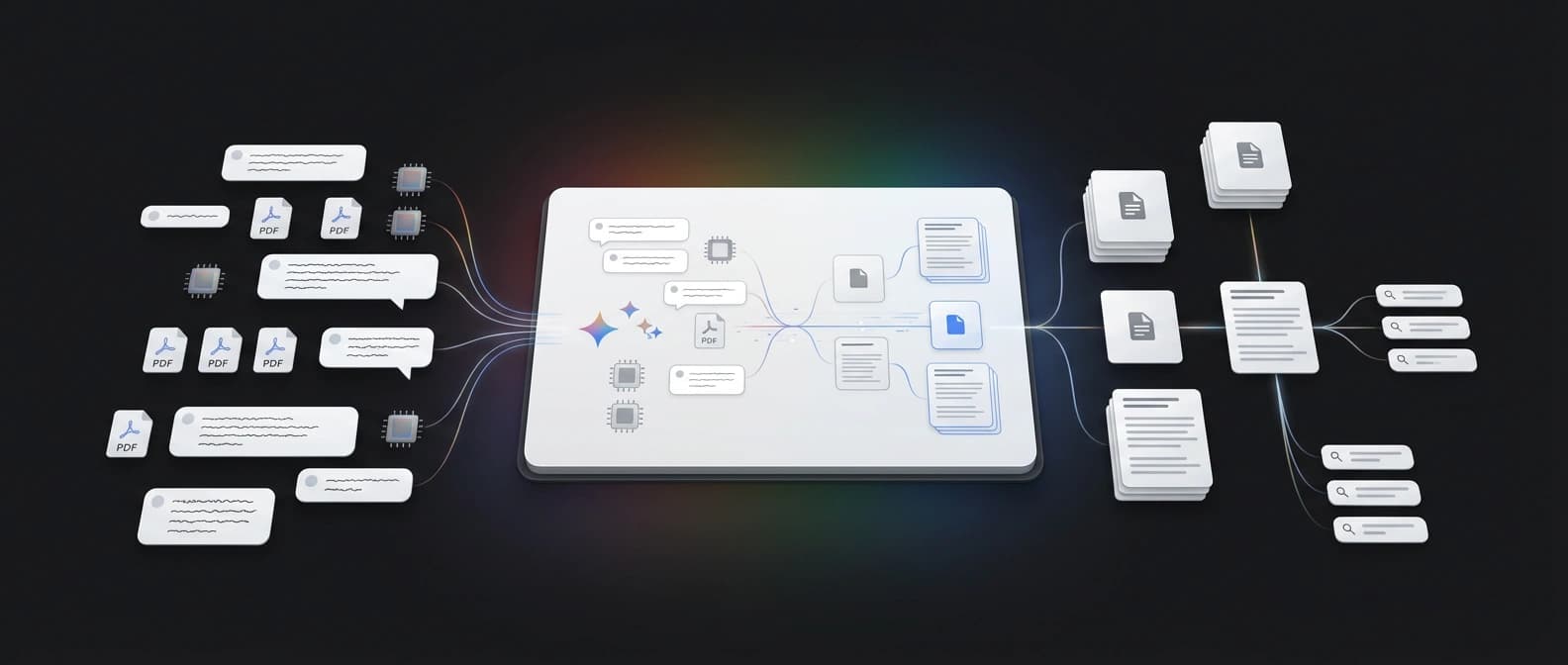
OpenAI turns ChatGPT shopping into product discovery
OpenAI’s latest ChatGPT shopping update looks like a feature expansion, but the real move is a retreat from native checkout toward comparison, discovery, and merchant-owned conversion.
 ainewssilo.com
The real shift in ChatGPT shopping is not more buying inside the bot. It is OpenAI deciding that discovery travels better than checkout.
OpenAI's March 24 shopping update looks, at first glance, like a feature upgrade. Richer product cards, better side-by-side comparisons, image-led inspiration, fresher merchant data. Nice. Clean. Demo-friendly.
But the line that matters comes later in OpenAI's own post: the company says the first version of Instant Checkout did not offer the flexibility it wanted, so merchants will use their own checkout experiences while ChatGPT focuses on product discovery. That is not just a product tune-up. It is a change in job description.
I think OpenAI has quietly decided that ChatGPT should be the mall concierge, not the cashier.
OpenAI quietly changed the job description
When OpenAI launched Instant Checkout last year, the pitch was simple: find a product in ChatGPT, hit buy, confirm the order, and complete the purchase without leaving the chat. The story leaned hard on the idea that agentic commerce could collapse research and transaction into one flow, with ACP and Stripe helping smooth the path.
The new product discovery update tells a different story. OpenAI is now emphasizing browsing, visual inspiration, comparison, and merchant-fed catalog data. Under the hood, the company says ACP is expanding to support discovery feeds and promotions, which helps merchants supply richer product information without handing the entire conversion moment to OpenAI.
That matters because it changes what success looks like. The old vision tried to make ChatGPT the place where the sale closed. The new one is happy to make ChatGPT the place where the options get narrower, clearer, and easier to act on somewhere else.
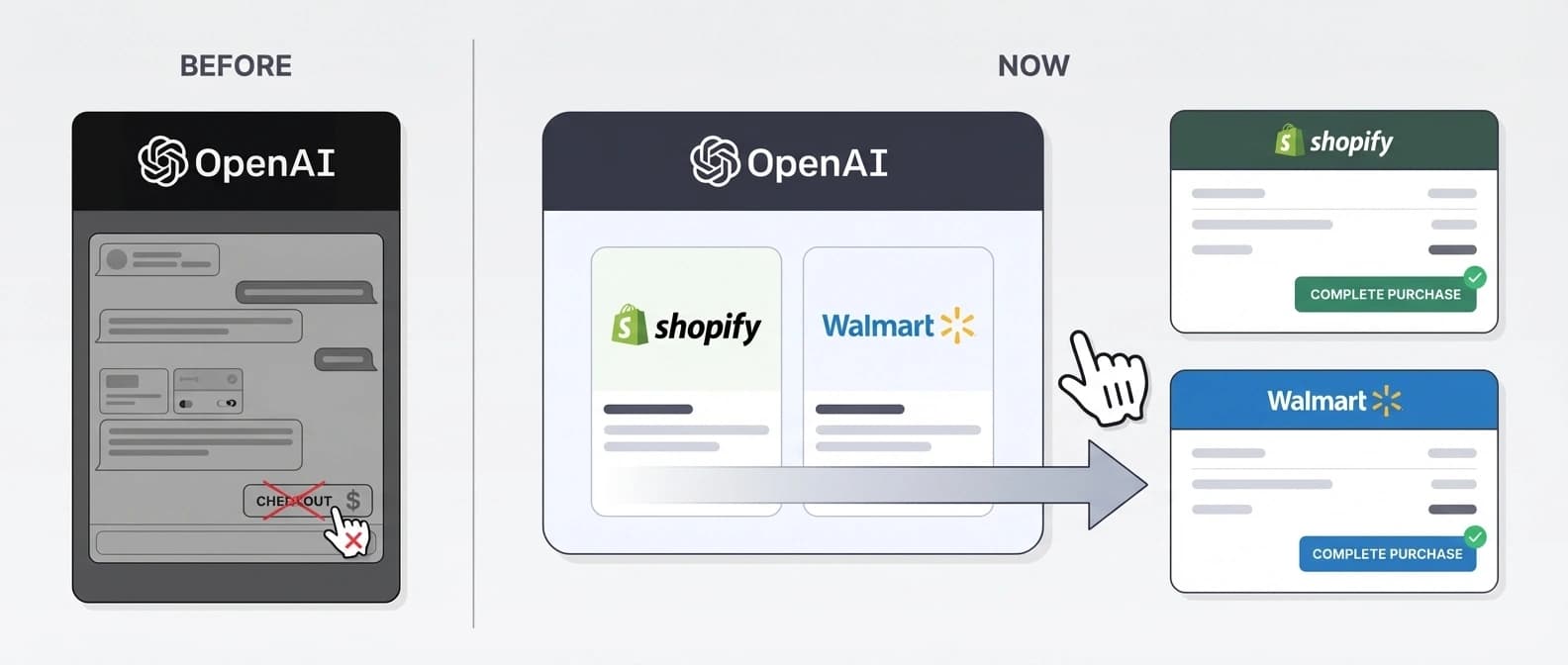
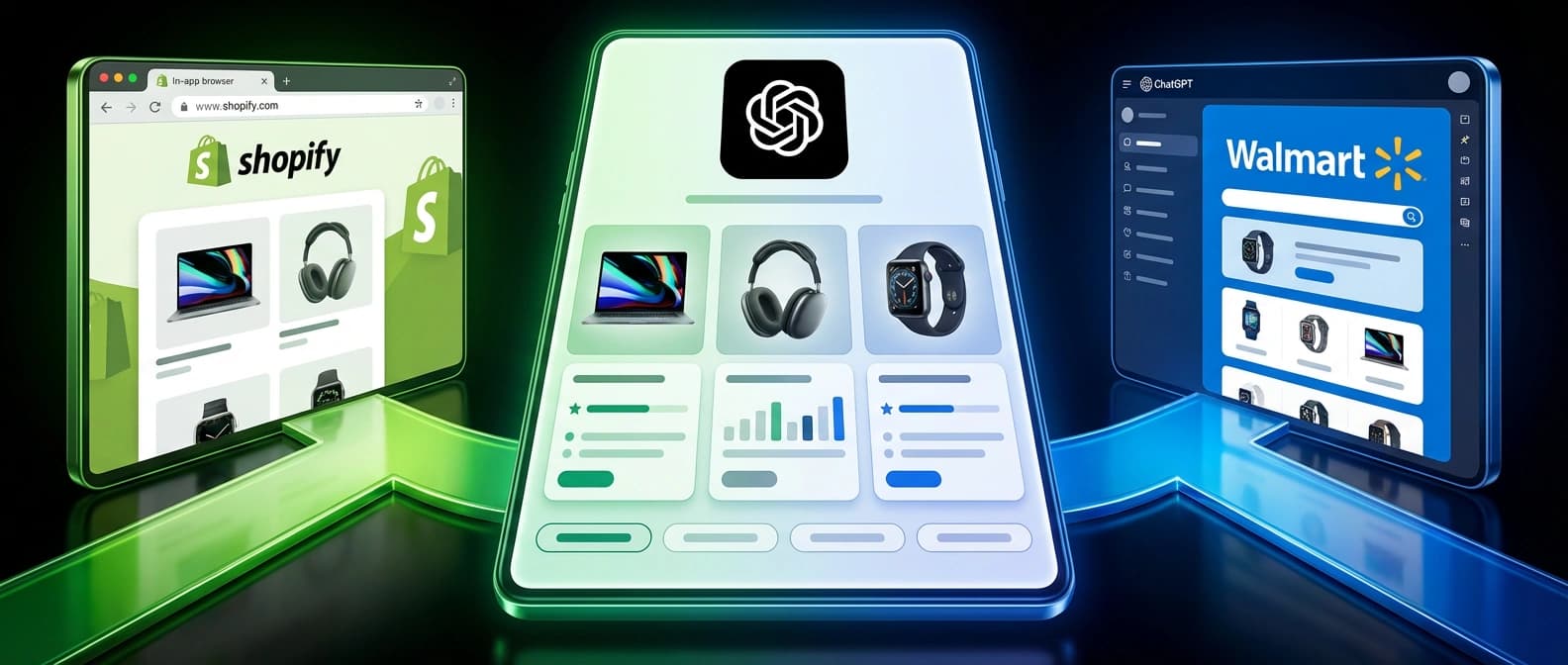
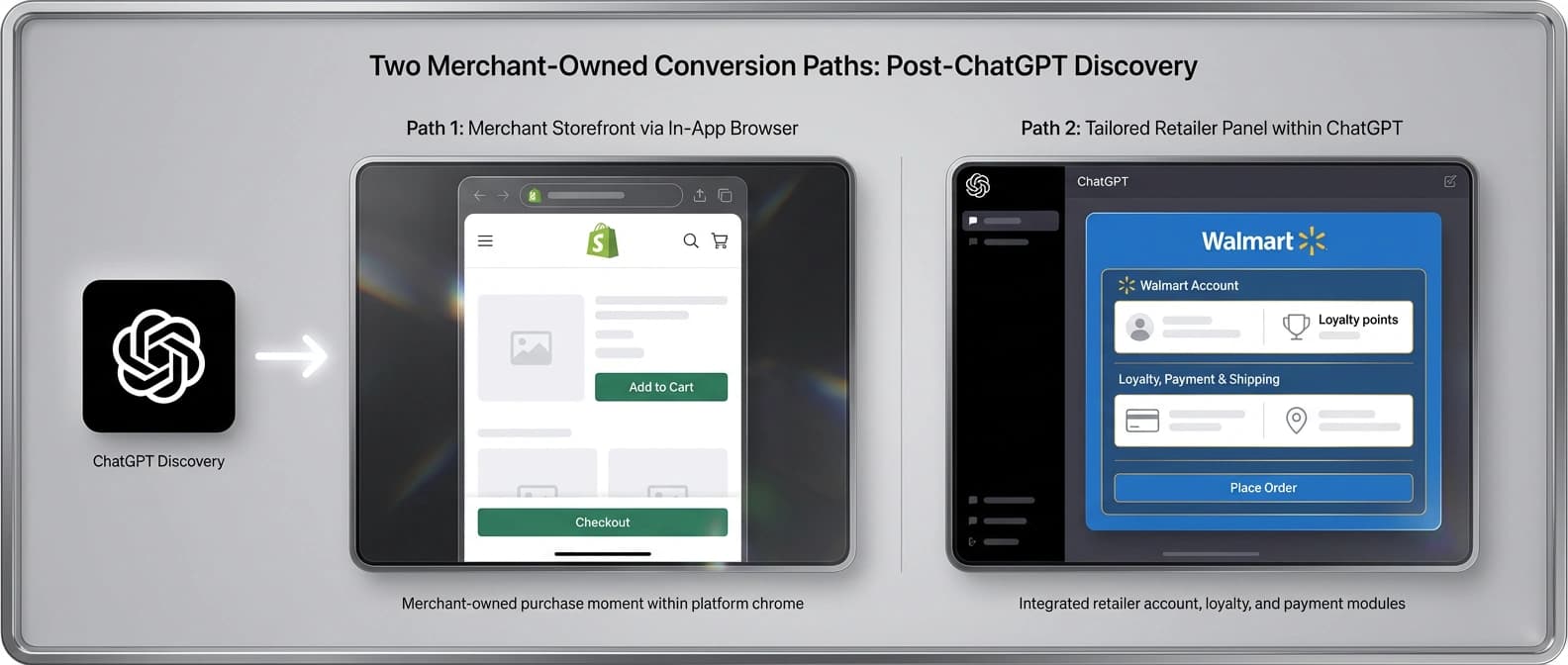
The handoff paths make the pivot even clearer. OpenAI says Shopify merchants flow into ChatGPT through Shopify Catalog, with purchases completing on the merchant's own store through an in-app browser. Walmart's new in-ChatGPT app keeps users inside a tailored Walmart environment with account linking, loyalty, and Walmart payments. Different surfaces. Same conclusion. Merchants want more control over the last mile.
Why merchants never really loved native chatbot checkout
OpenAI's official explanation is that Instant Checkout lacked flexibility. In retail language, that one word carries half the department store.
Flexibility means loyalty programs, returns, fraud controls, local inventory, merchant identity, payment preferences, support, fulfillment choices, merchandising rules, and all the other small practical details that make commerce feel like a business instead of a keynote. Stripe's own ACP writing more or less hints at the same problem: agentic commerce has to survive fragmentation and support more complex flows than a one-click demo can capture.
The strongest outside signal came from Walmart. Search Engine Land reported that Walmart EVP Daniel Danker said purchases completed directly inside ChatGPT converted at one-third the rate of click-out traffic to Walmart's own site. That figure is second-hand reporting and should be treated carefully, but even directionally it explains a lot. Retailers can be very philosophical right up until the conversion rate falls through the floor.
So I do not read the March 24 update as OpenAI getting more ambitious about native checkout. I read it as OpenAI learning where AI helps most in commerce. ChatGPT is good at clarifying what someone wants, narrowing tradeoffs, and reducing the number of tabs a person has to open before lunch. That is valuable. It is just not the same as owning the final payment surface.
Discovery is a better business than checkout
The bigger implication is that discovery may be the more durable position anyway. If ChatGPT becomes the place where people decide which laptop, sofa, skincare bottle, or running shoe actually fits what they need, OpenAI still sits close to the most valuable moment in the journey: the moment before intent hardens into a purchase.
That pattern fits the wider OpenAI playbook. We have already seen versions of it in OpenAI's agents platform shift and in the broader action-not-answers transition. Own the interface. Own the protocol. Let partners keep more of the operational mess. Commerce, unsurprisingly, is trying to teach the same lesson.
It also lines up with where the market is moving outside OpenAI. Google has its own retailer-facing agentic commerce tools and protocol push. The common idea is not that storefronts disappear. It is that AI becomes the layer that mediates discovery while merchants fight to keep the branded environment, the customer relationship, and the payments stack.
That future is a lot more believable to me than "everything becomes checkout inside a chatbot." Retail is messy. Human shopping is messy. Anyone promising a universal checkout box for all of it is basically promising one spoon that somehow works for soup, steak, and cereal.
What this means for the next wave of agentic commerce
The next test is whether ChatGPT becomes a durable discovery surface that merchants actually want to feed, or whether this settles into one more flashy AI layer that sends inconsistent traffic and weak buying signals. Merchant participation will keep changing. ACP discovery integrations will change. Walmart, Shopify, and any future in-ChatGPT apps will not look identical.
But the strategic move already looks clearer than the first rollout did. The original version of ChatGPT shopping tried to be the place where the sale closed. The new version looks stronger precisely because it stops trying to do everything at once.
I would call that a retreat in one sense. OpenAI is backing off the fantasy that native chatbot checkout should be the universal endpoint. But I would also call it a smarter positioning bet. Discovery travels better than checkout. OpenAI seems to have figured that out before the whole market had to learn it the expensive way.
Source file
Public source trail
These links anchor the package to the underlying reporting trail. They are not a substitute for judgment, but they do show where the reporting starts.
Defines the March 24 product-discovery update, the retailer handoff model, and OpenAI’s statement that Instant Checkout lacked the flexibility it wanted.
Shows what OpenAI originally promised when it launched native checkout inside ChatGPT.
Useful for the underlying ACP logic and for why trust, fragmentation, and flexibility matter in agentic checkout.
Confirms OpenAI is deprioritizing Instant Checkout as a stand-alone feature and reframing ChatGPT as a shopping research hub.
Provides the most concrete reported signal that native ChatGPT checkout underperformed retailer-owned click-out flows.
Adds retail context on ACP discovery integrations and Walmart’s new in-ChatGPT app path.
Helps frame OpenAI’s move inside the broader shift toward retailer-controlled agentic commerce surfaces.

About the author
Talia Reed
Talia reports on product surfaces, developer tools, platform shifts, category shifts, and the distribution choices that determine whether AI features become durable workflows. She looks for the moment where a launch stops being a demo and becomes an ecosystem move.
- 34
- Apr 1, 2026
- New York
Archive signal
Reporting lens: Distribution is usually the story hiding inside the launch.. Signature: A feature matters when it changes someone else’s roadmap.
Article details
- Category
- AI Products
- Last updated
- April 11, 2026
- Public sources
- 7 linked source notes
Byline
Covers product surfaces, tools, and the adoption moves that turn AI features into durable habits.