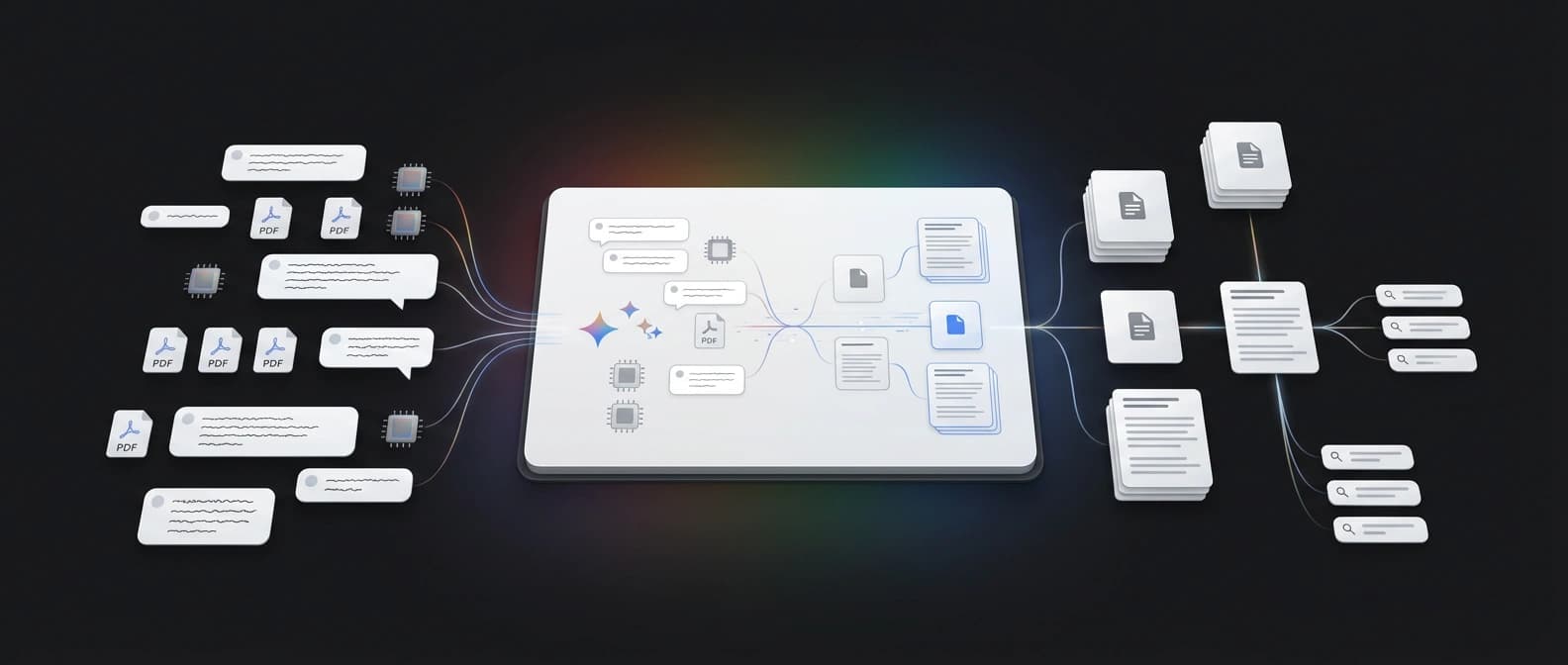
Google turns Gemini import into a lock-in attack
Google now lets users import memories and zipped chat histories into Gemini, then layers on Personal Intelligence to make switching feel sticky.
 ainewssilo.com
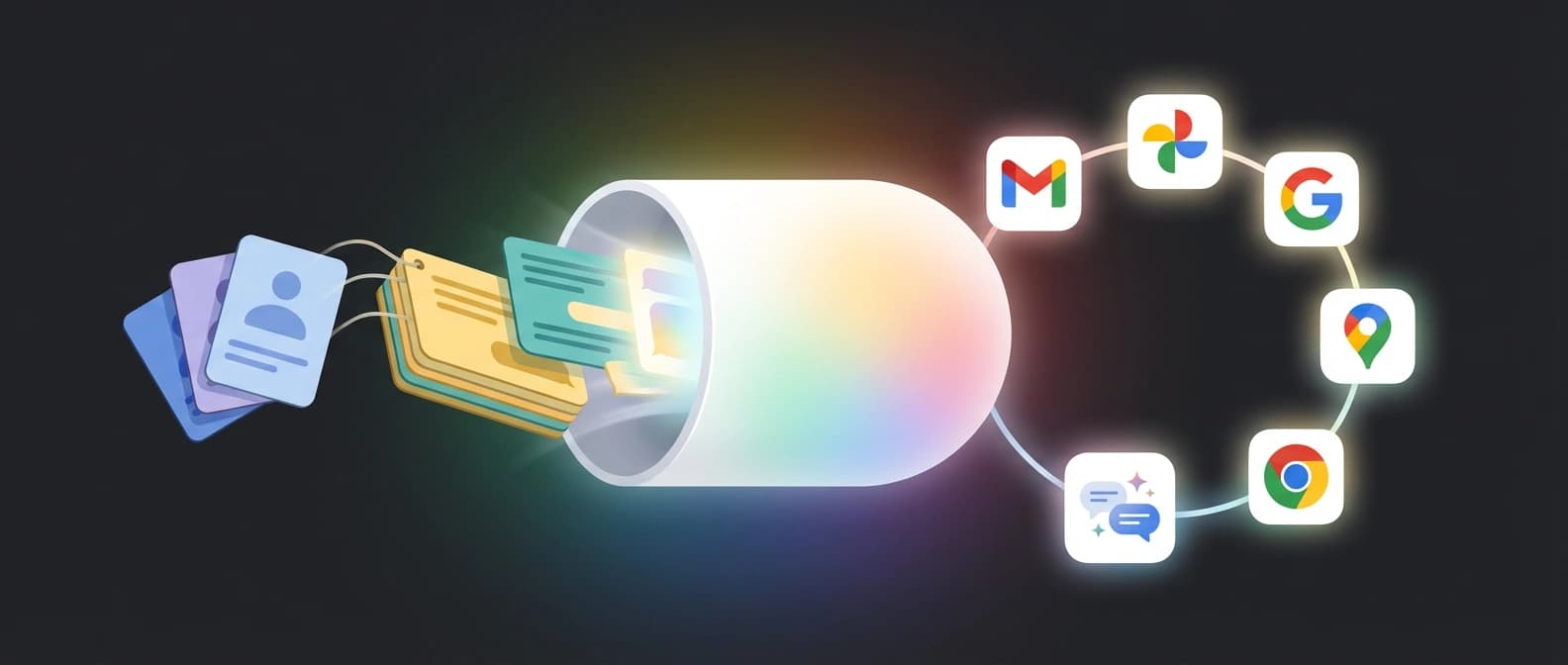
The clever part is not the ZIP file. It is that Google can place imported rival context next to Gmail, Photos, Search history, and future Gemini chats.
Google's new Gemini switching tools look like a housekeeping update. A few import buttons. A nicer settings page.
I think that reading misses the point.
What Google launched on March 26 is a direct shot at assistant lock-in. Gemini can now import key memories from another AI app by having you paste a Google-suggested prompt into that app, then paste the resulting summary back into Gemini. It can also take a ZIP export of your full chat history from other providers. One day later, Google tucked that feature into the March Gemini Drop alongside a much bigger strategic lure: Personal Intelligence, now rolling out for free-tier Gemini users in the U.S.
That pairing matters. The import tool gets your old context through the door. Personal Intelligence lets Google mix that imported context with Gmail, Photos, Search history, and future Gemini chats. Corporate copy calls this "making the switch." Sure. And a casino buffet is just a light snack.
Google is importing the part people hate rebuilding
Consumer AI has a strange retention moat. It is not just model quality. It is the hours you spend teaching the assistant who you are, what tone you like, and which half-finished trip plan you keep reopening at midnight. Starting over is annoying, so most people do not.
Google is clearly trying to kill that excuse.
Memory import is really a coached summary
The lighter Gemini memory import feature is not a magical back-end handshake between platforms. Google says you go to Settings, pick the new import option, copy a suggested prompt into your current AI app, let that app summarize your preferences and personal context, and then paste the result back into Gemini.
That detail matters because it shows what Google really wants: a compressed starter pack of your identity. Not every stray sentence. The useful stuff. The kind of details that make an assistant feel "already trained" five minutes after install.
Chat history import is the heavier weapon
The more serious move is full Gemini import chat history. Google says users can upload a ZIP file of chats exported from other AI providers and then search or continue those threads inside Gemini. For anyone literally searching Gemini import chat history, the practical answer is now yes. Export your old chats, upload the archive in Settings, and Gemini can keep those conversations searchable.
At the same time, Google is renaming "past chats" to "memory," which is about as subtle as painting "not a moat" on the drawbridge.
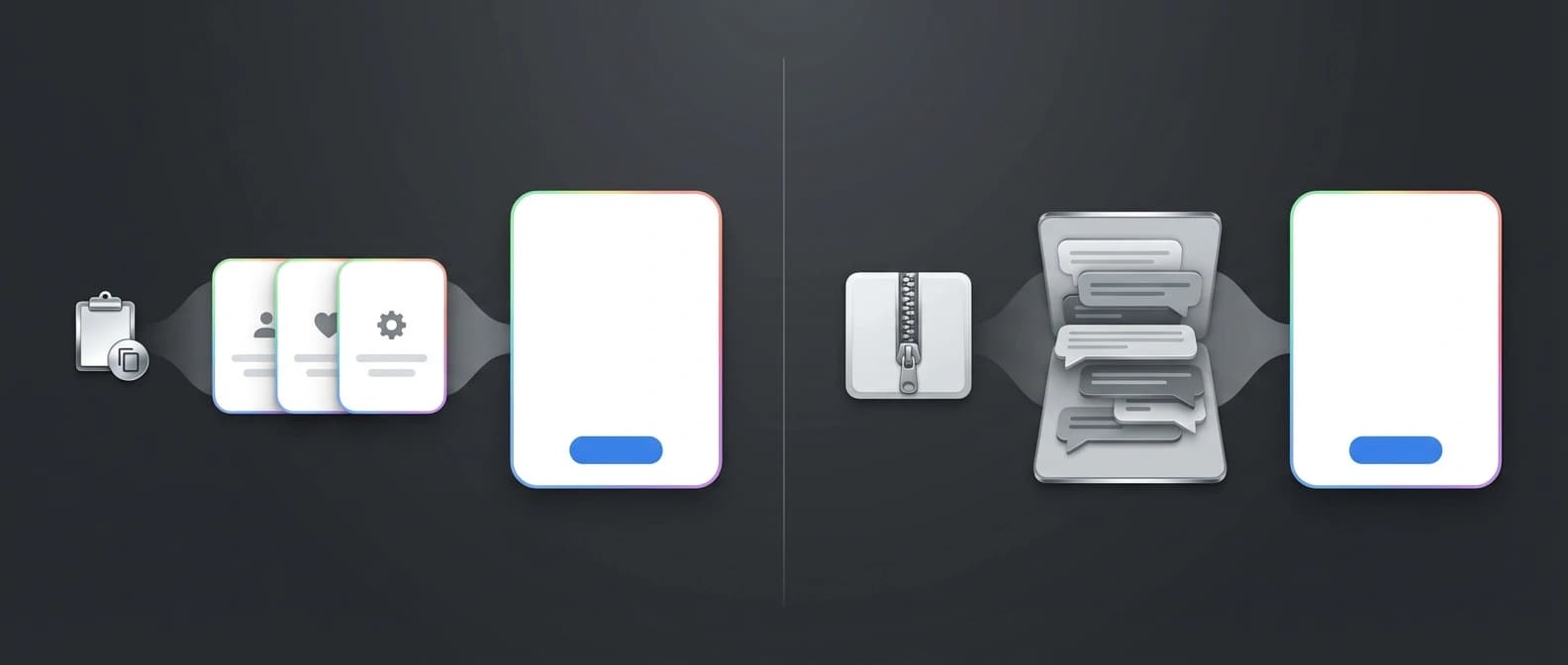
That second path changes the product story. This is not just "tell Gemini your coffee order." It is "bring the backlog." If you have months of project plans, personal notes, travel research, or ongoing brainstorms trapped in another assistant, Google now wants the whole moving truck.
Personal Intelligence is what makes this feel sticky
On its own, chat import would be a useful portability feature. The bigger play appears when you line it up with Google's March 17 Personal Intelligence expansion and the March 27 Gemini Drop.
Google says Personal Intelligence can connect signals across Gmail, Google Photos, Search history, and other Google apps when users choose to enable those connections. In the U.S., it is rolling out to free-tier users in the Gemini app, AI Mode in Search, and Gemini in Chrome.
The strategic point is simpler than the policy language. Once imported rival context lands inside Gemini, Google can sit it beside data sources the rival assistant never had. That is what turns a migration tool into platform gravity.
We have already seen Google chase this kind of workflow capture elsewhere, from Google AI Studio's full-stack distribution play to Google's Gemini API control-plane push. This is the consumer version of the same instinct. Do not just win the model benchmark. Win the surrounding context, the adjacent surfaces, and the habit loop.
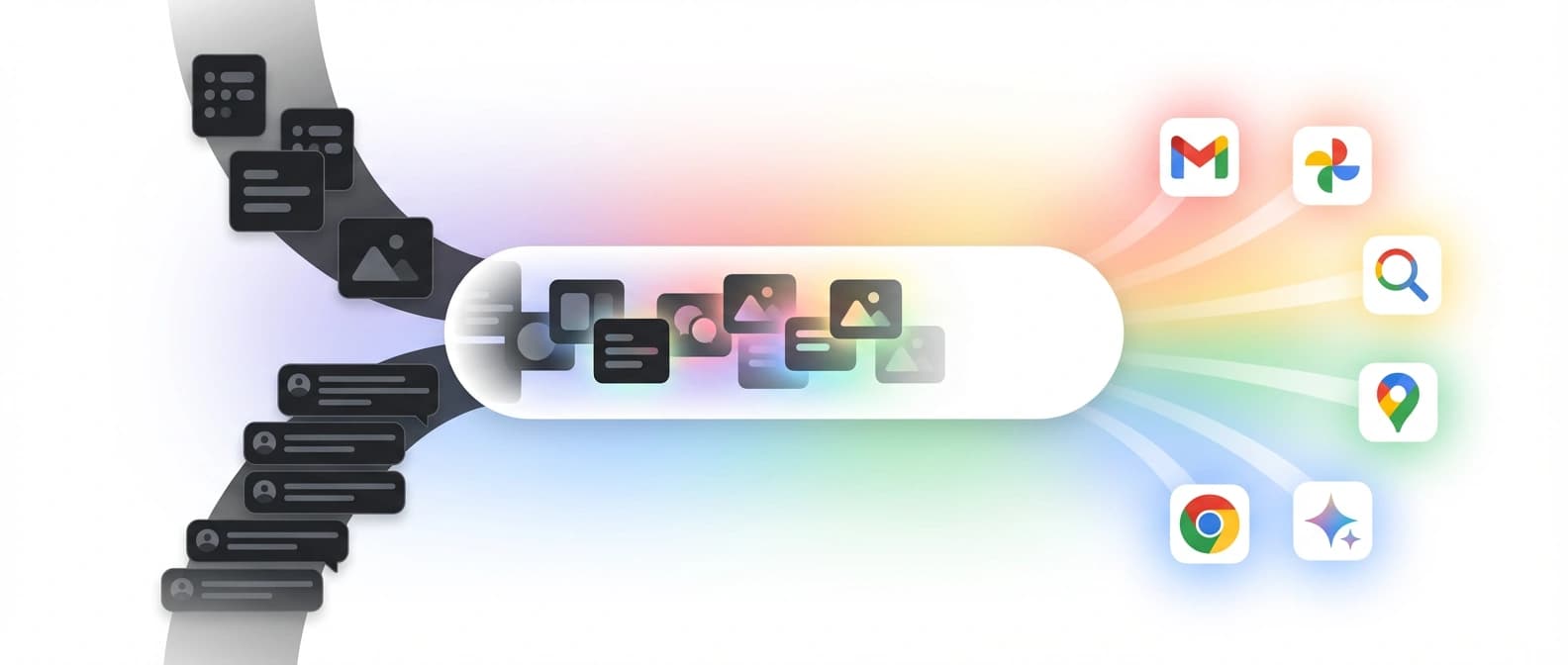
I keep coming back to that pairing. Import gets Gemini up to speed. Personal Intelligence gives it more to work with than your last chatbot ever could. That is the part worth paying attention to.
ChatGPT and Claude already built the exit ramps
Google did not invent a secret tunnel into rival assistants. It is leaning on export tools that already exist.
OpenAI's support docs say ChatGPT users can export data from Settings > Data Controls > Export, or through the Privacy Portal. The download arrives as a ZIP file that includes chat history and other account data.
Anthropic's export docs say Claude users can export user information and chat history from Settings > Privacy on the web app or Claude Desktop. The company emails a link that expires after 24 hours. Claude does not support account-to-account migration, which is mildly inconvenient for Claude and quite convenient for Google.
That is why I do not think this launch is mainly about feature polish. Google is using existing portability paths to short-circuit the slowest part of assistant switching: rebuilding context by hand. Instead of asking people to spend a week retraining Gemini, it is saying, in effect, "bring your old receipts, we'll sort them."
There are limits. Google's own post says the switching tools are for consumer accounts only, not business, enterprise, or under-18 users, and not yet available in the EEA, UK, or Switzerland. Personal Intelligence likewise stays tied to personal Google accounts and a U.S. rollout for now. So this is not universal migration. Not yet.
What Google is really buying here is assistant habit
The outside market context makes the timing easier to read. TechCrunch notes that OpenAI recently cited 900 million weekly active ChatGPT users, while Google said Gemini had passed 750 million monthly active users. Different cadences, yes. But the gap in consumer mindshare is real enough that Google does not need another polite "try our app" campaign. It needs a reason for people with a well-trained assistant elsewhere to actually move.
This is that reason.
I would not over-romanticize it. Memory import is partly copy-paste choreography. Chat history import still depends on the rival service letting you get your data out. Users also have to trust Google with a larger personal-context bundle if they want the full benefit.
But the strategic direction is obvious. Google is attacking switching cost at the layer where assistant lock-in has been getting stronger: memory, continuity, and personal context. Then it sweetens the deal by surrounding that imported context with Google-owned signals other assistants cannot match as easily.
That is why I think this story belongs in AI products, not in the "nice settings update" pile. It sits next to the same interface-ownership logic we saw when OpenAI turned ChatGPT shopping into product discovery.
The companion Google angle is even clearer in Gemini 3.1 Flash Live looking like a real-time agent rail. The companies keep selling features. The real fight is over where your habits live.
Google's new import tools do one very useful thing for users. They also do one very useful thing for Google. Those two facts can coexist. In this case, they absolutely do.
Source file
Public source trail
These links anchor the package to the underlying reporting trail. They are not a substitute for judgment, but they do show where the reporting starts.
Core launch post covering memory import, ZIP-based chat-history import, rollout timing, and account or region limits.
Bundles the switching tools with the March Gemini Drop and ties them to Personal Intelligence becoming free for U.S. Gemini users.
Explains what Personal Intelligence connects across Google surfaces, who gets it, and how Google frames user control and training limits.
Confirms ChatGPT export paths, ZIP delivery, timing, and expiration details that make Gemini's chat import practical.
Confirms Claude export paths, platform limitations, and expiring download links relevant to migration into Gemini.
Useful outside framing for the competitive context, including Google's consumer-assistant catch-up pressure versus ChatGPT.

About the author
Talia Reed
Talia reports on product surfaces, developer tools, platform shifts, category shifts, and the distribution choices that determine whether AI features become durable workflows. She looks for the moment where a launch stops being a demo and becomes an ecosystem move.
- 34
- Apr 1, 2026
- New York
Archive signal
Reporting lens: Distribution is usually the story hiding inside the launch.. Signature: A feature matters when it changes someone else’s roadmap.
Article details
- Category
- AI Products
- Last updated
- April 11, 2026
- Public sources
- 6 linked source notes
Byline
Covers product surfaces, tools, and the adoption moves that turn AI features into durable habits.