OpenClaw puts ClawHub on the install path
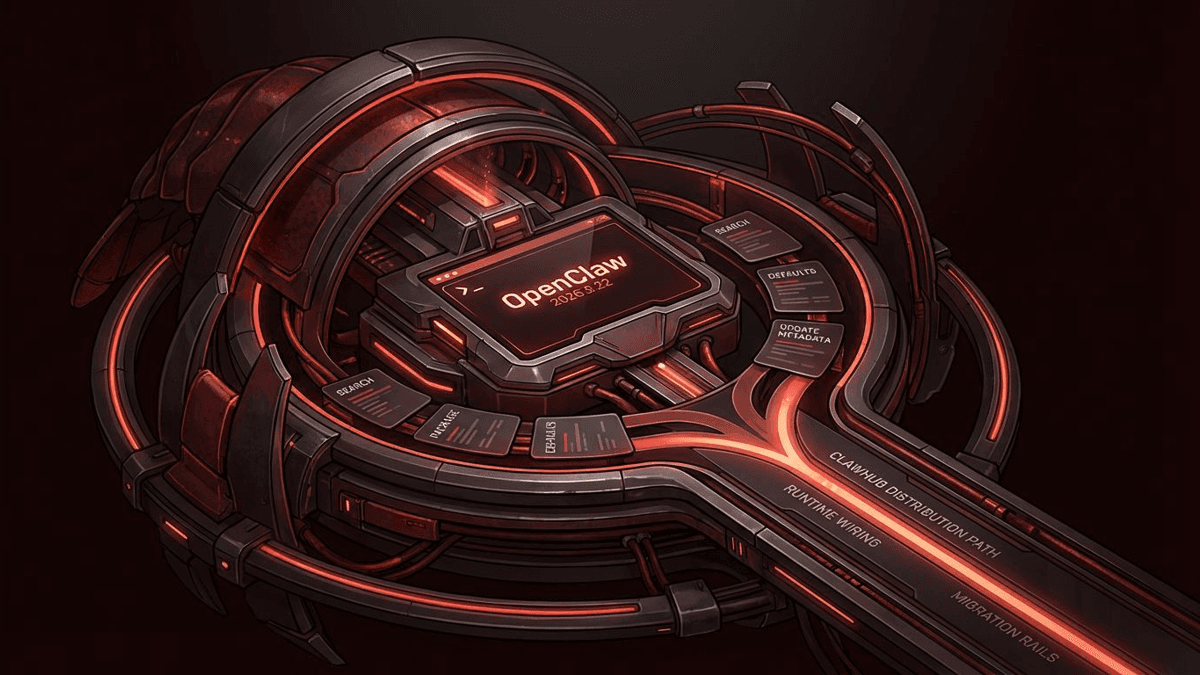
OpenClaw 2026.3.22 does not prove ClawHub is a booming marketplace. It does something more consequential: it makes ClawHub part of the default install and migration path.
 ainewssilo.com
The biggest ClawHub story is where the default command goes.
I think people are telling the ClawHub story backward.
OpenClaw 2026.3.22 did not prove ClawHub is suddenly a booming marketplace. It did something more consequential and much less glamorous: it moved ClawHub onto the default road. OpenClaw now tries ClawHub before npm for bare openclaw plugins install <package> calls when the package name is npm-safe. That is the software equivalent of moving the cereal to eye level at the supermarket. People keep thinking they made a free choice. The shelf did a lot of the work.
That is why this release matters. I do not need ClawHub to look huge yet to take the move seriously. I just need to notice where the product is guiding behavior.
Why the default install path matters for ClawHub adoption
The sharpest change is also the easiest one to shrug off. Users can keep typing the same boring command, but the boring command now prefers ClawHub. That means OpenClaw does not have to win a separate education campaign before it starts shaping where plugins come from.
The ClawHub docs make the rest of the strategy plain enough. Skills now have native search, install, and update flows. Plugins can be pinned explicitly as clawhub:<package>. OpenClaw also stores source metadata so later updates stay on the same rail instead of wandering off into package-manager amnesia. Small move. Big consequence.
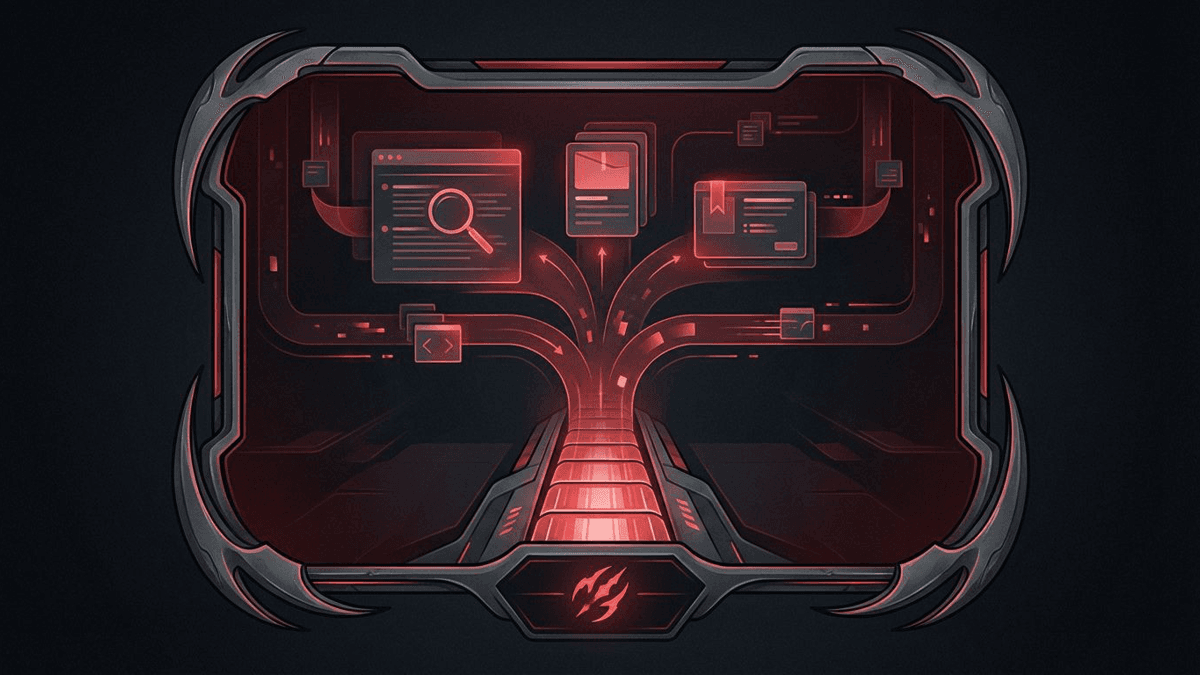
I keep coming back to that update continuity point because it is where distribution stops being cosmetic. Anyone can launch a browse page and call it an ecosystem. The harder trick is getting discovery, installation, and future updates to behave like one system. That is the difference between a stall at the market and owning the road into town. You can see the same broadening instinct in OpenClaw’s OpenAI-compatible gateway beta, which tries to make the other end of the stack easier to plug into.
ClawHub still looks early in public, and I think that matters too
None of this means ClawHub is already socially proven. The public evidence says the opposite.
The docs describe a public registry for skills and plugins, but the homepage still reads like a young storefront. It calls itself “the skill dock for sharp agents,” and at the time of writing it still shows empty highlighted and popular shelves. I do not say that as a dunk. Early platforms are allowed to look early. I say it because the honest framing is important.
The news is not “ClawHub won.” The news is “OpenClaw started behaving as if ClawHub should win.” Those are different claims. One is a scoreboard. The other is a product bet.
That distinction keeps this from drifting into launch-theater nonsense. A marketplace can look lively and still fail to change user behavior. A default install path can change user behavior before the marketplace looks lively at all. OpenClaw chose the second move, and I think that is the smarter one if the team can make it reliable.
The SDK cleanup is the part maintainers will quietly love
The release gets even more interesting once you look past the registry and into the migration work around it. The plugin SDK migration guide pushes developers away from the old broad compatibility layer and toward narrower openclaw/plugin-sdk/* imports plus injected runtime helpers. The stated reasons are familiar and unromantic: startup drag, circular dependencies, and fuzzy APIs.
That is exactly the kind of cleanup you do before you send more traffic through the system. Otherwise you are not scaling an ecosystem. You are scaling support tickets in formalwear.
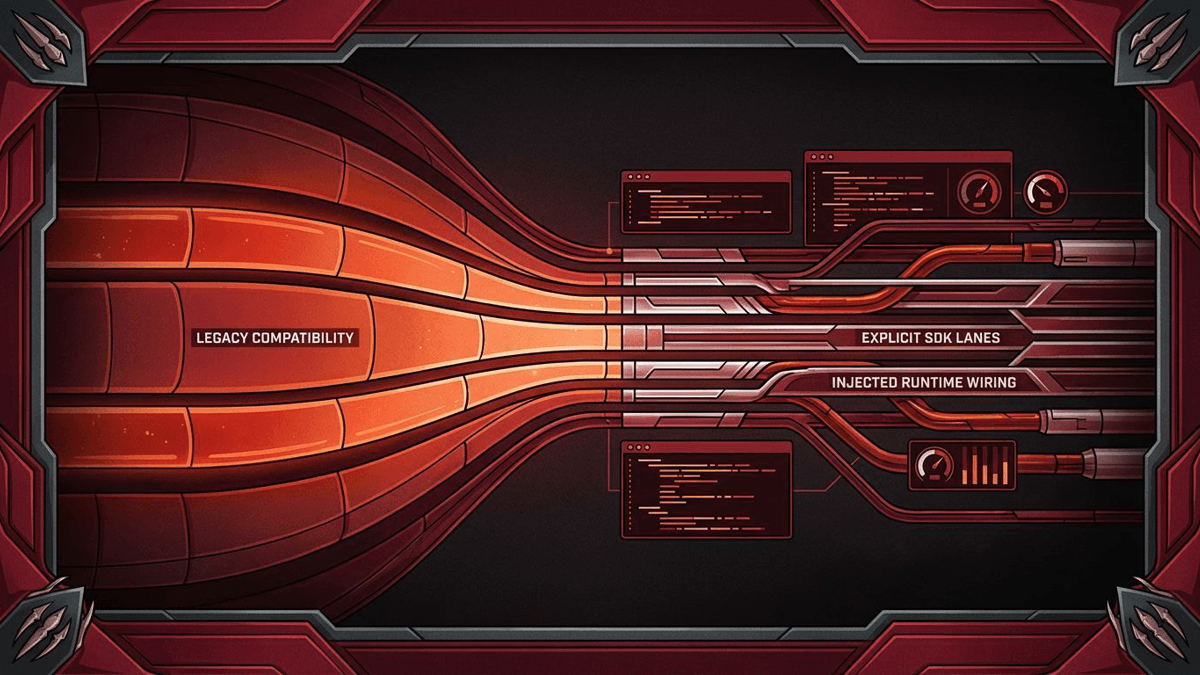
The same logic shows up in openclaw doctor, which is now framed more explicitly as repair and migration tooling. In this cycle it handles config cleanup, browser migration, and older state that would otherwise keep rattling around like loose screws in a drawer. No one writes dramatic launch threads about that stuff. Operators eventually adore it anyway.
My take on the ClawHub platform shift
The caveat is real. OpenClaw is making this distribution move while still shipping rough edges. Issue #52808, for example, reports that dist/control-ui/ was missing from the published npm package for 2026.3.22, which broke dashboard access for some upgraders. Once you start asking users to trust your preferred install path, packaging mistakes stop feeling local.
So my read is pretty simple. ClawHub is not yet a proven giant marketplace. But OpenClaw absolutely made a real platform move here. It changed install precedence, preserved source identity, tightened the SDK surface, and leaned harder on repair tooling so the new path does not collapse under its own ambition.
That combination matters more than marketplace bragging rights. If later releases smooth out the rough edges and the catalog fills in, this update may look like the moment OpenClaw stopped acting like a clever toolbox and started acting like infrastructure. That is a much bigger shift than a shiny storefront.
Source file
Public source trail
These links anchor the package to the underlying reporting trail. They are not a substitute for judgment, but they do show where the reporting starts.
Primary evidence for the ClawHub install-order change, browser migration, and plugin SDK breakpoints.
Documents native search, install, and update flows plus ClawHub source metadata persistence for later updates.
Shows the push away from broad compatibility surfaces toward narrow plugin-sdk imports and injected runtime helpers.
Confirms that doctor is now explicitly framed as repair plus migration tooling across config, browser, and state transitions.
Useful reality check on ecosystem maturity: the homepage still presents ClawHub as a skill dock and currently shows empty highlighted and popular shelves.
Counterweight showing the release shipped with meaningful rough edges even as it tried to tighten the platform story.

About the author
Talia Reed
Talia reports on product surfaces, developer tools, platform shifts, category shifts, and the distribution choices that determine whether AI features become durable workflows. She looks for the moment where a launch stops being a demo and becomes an ecosystem move.
- 34
- Apr 1, 2026
- New York
Archive signal
Reporting lens: Distribution is usually the story hiding inside the launch.. Signature: A feature matters when it changes someone else’s roadmap.
Article details
- Category
- Open Source AI
- Last updated
- April 11, 2026
- Public sources
- 6 linked source notes
Byline
Covers product surfaces, tools, and the adoption moves that turn AI features into durable habits.