Hostinger makes OpenClaw hosting a one-click product
Hostinger's one-click OpenClaw launch matters because it turns a viral self-hosted agent into a managed product that normal buyers can actually deploy.
 ainewssilo.com
The important shift is not that OpenClaw suddenly learned new tricks. It is that fewer buyers now need to become their own sysadmin first.
I think Hostinger just did something more important than shipping a new AI trick.
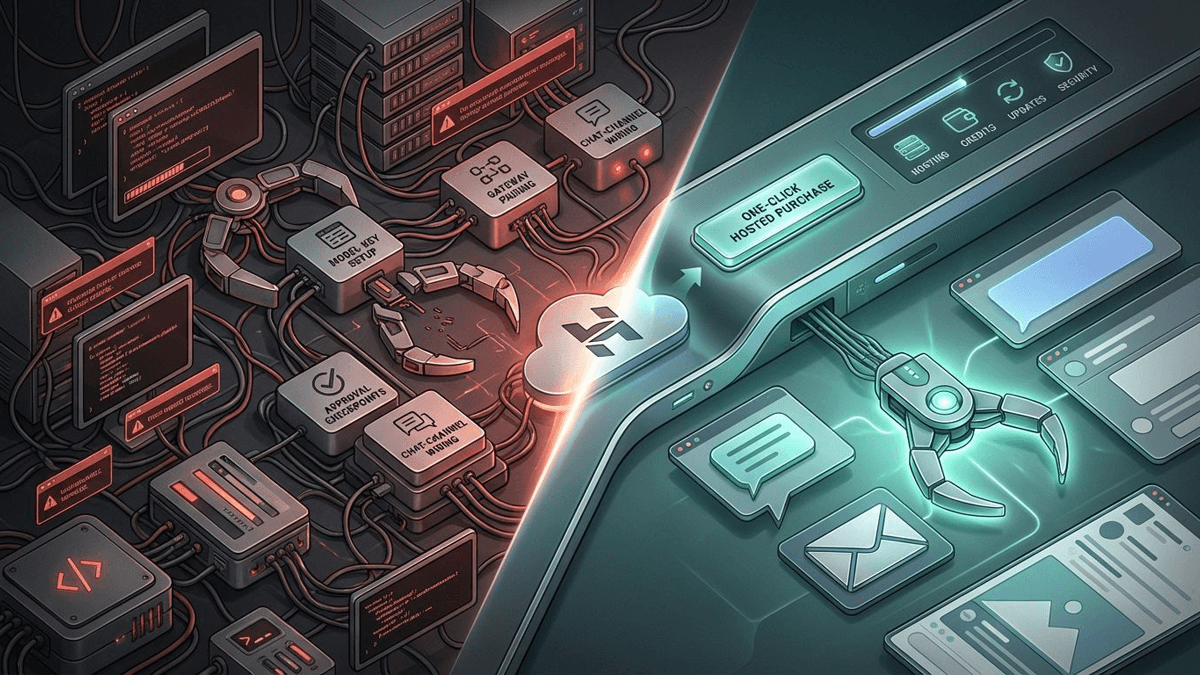
Its new 1-click OpenClaw page does not promise a smarter model or a wilder agent. It promises something buyers usually care about more: you can purchase the thing, turn it on, and avoid spending your afternoon becoming a part-time sysadmin. That may sound mundane. It is also how markets get made.
OpenClaw has already won plenty of attention by pitching itself as “the AI that actually does things”. The demos travel well. The install path has been the harder sell. Hostinger is stepping directly into that gap.
Hostinger is selling setup relief, not model magic
The Hostinger pitch is very plain. Automatic installation. No technical experience required. Bundled AI credits. Security framing. A live assistant ready to use through channels like WhatsApp and Telegram. This is not a new intelligence breakthrough. It is packaging.
And honestly, packaging is where plenty of “revolutionary” software either grows up or quietly dies.
OpenClaw’s own getting-started guide says setup takes about five minutes, which may be true if you already think in terminals and do not break into a sweat when a daemon enters the chat. But those five minutes still assume Node, onboarding, model-provider credentials, a running gateway, and enough comfort with the stack to notice when something subtle is off.
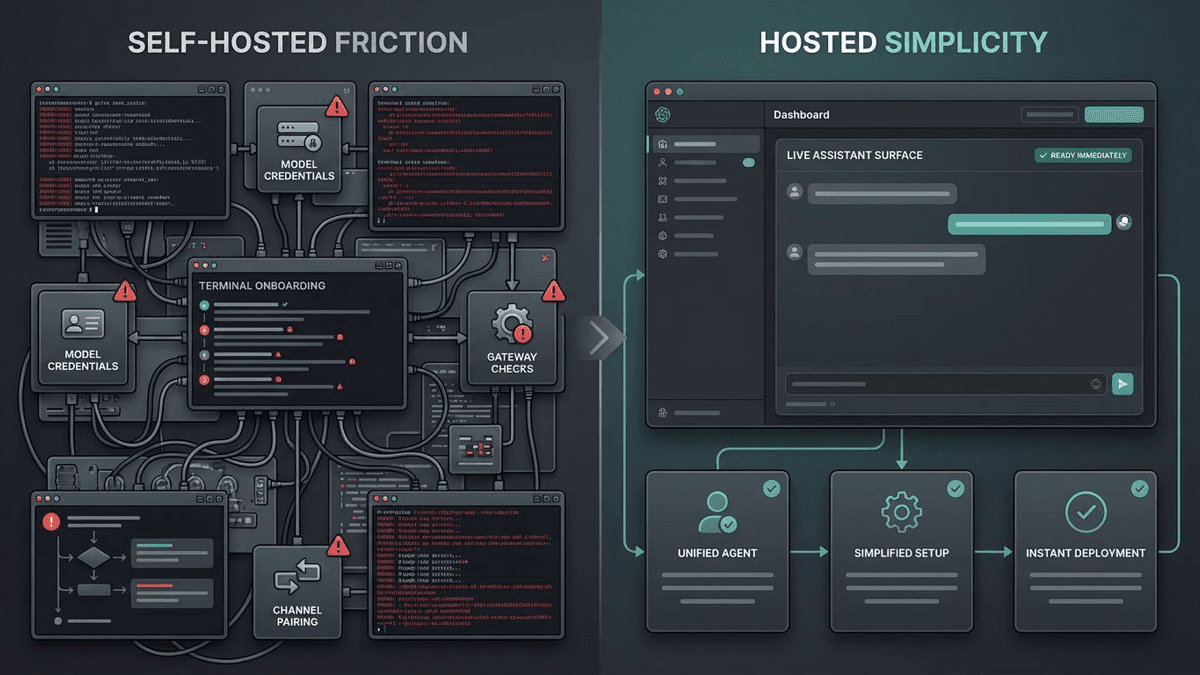
For builders, that is tolerable. For a non-technical buyer, it is often where curiosity goes to take a nap. Hostinger is not selling more capability than self-hosted OpenClaw. It is selling relief from the fussiest parts of getting there.
Why OpenClaw’s bottleneck was the install path
That bottleneck has been visible in outside coverage for a while. CNBC described OpenClaw as powerful but difficult for less technical users to install. TechTarget quoted creator Peter Steinberger saying the project was still hobby-like, rough around the edges, and not really meant for non-technical users yet. Those are not side notes. They are the commercial choke point.
The contradiction has been almost funny. OpenClaw looks mainstream in demos because the interface is conversational and the promise is simple. Under the hood, though, you are still dealing with permissions, credentials, gateway state, and trade-offs around what an always-on agent should be allowed to touch. It is the software version of IKEA furniture: attractive on the showroom floor, less relaxing once the tiny wrench appears.
That is why Hostinger matters. It converts “please follow the docs carefully” into a checkout flow. Same core capability. Very different buyer psychology.
One-click hosting turns curiosity into a buying decision
I think this is the part people understate when they call launches like this boring. Mainstream distribution often looks boring. It arrives as a pricing page, a dashboard, and a promise that somebody else handles the messy bits.
That matters even more because broader interest in OpenClaw is already outgrowing the old installation model. NBC News reported that people in China were paying to have the software installed on laptops. Computer Weekly described the moment as a viral adoption surge already colliding with enterprise governance questions. A line for installs is not mainstream distribution. It is evidence that mainstream distribution is missing.
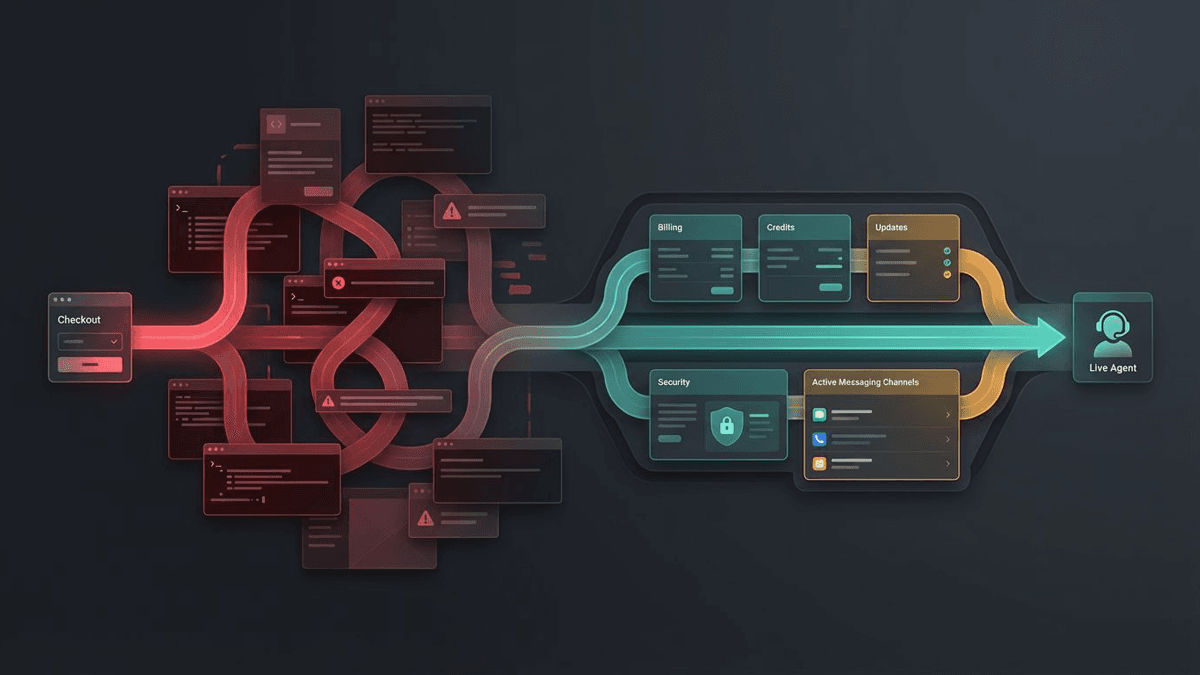
Hostinger is supplying that missing layer. In the same way ClawHub’s install-path shift pushed distribution into the product, Hostinger pushes distribution into the buying experience. That is how open-source projects start crossing from “famous repo” into “normal software purchase.”
My read on managed OpenClaw
None of this means managed hosting makes OpenClaw harmless. It does not. Hostinger’s security and isolation language matters precisely because the risks are real. Computer Weekly framed the enterprise worry around access to sensitive information, code execution, and outbound communication. CNBC landed on the same basic tension from a more consumer angle: useful agents are powerful because they can do things, and that is also why they can go wrong.
So my read is narrower. Hostinger has moved a major chunk of friction from the buyer to the vendor. That is commercially significant. It is not magical.
The remaining hard questions are still governance questions. Which permissions should the agent hold? Which actions should require approval? How much autonomy is too much? Managed hosting can reduce setup pain and operational footguns. It cannot answer those policy questions for you.
Even so, this is one of the clearest OpenClaw signals I have seen in weeks. The project no longer has to live only in GitHub tabs, Discord chatter, and brave souls with terminal confidence. It now has a path into the ordinary world where software gets bought. That world is less glamorous. It is also where real distribution lives.
Source file
Public source trail
These links anchor the package to the underlying reporting trail. They are not a substitute for judgment, but they do show where the reporting starts.
Defines the hosted product claim: one-click deployment, no technical experience, bundled credits, security, and managed updates.
Establishes the product's consumer-facing pitch and the assistant behaviors driving the current adoption wave.
Shows the open-source project framing, install path, and current recommendation to use terminal onboarding.
Documents the official setup flow, including install scripts, onboarding, gateway checks, and model-provider credentials.
Adds the enterprise governance frame and shows how fast OpenClaw has moved from novelty into infrastructure and risk discussions.
Captures the viral adoption wave and the gap between fascination, installation demand, and security concerns.
Provides the clearest sourced contrast between OpenClaw's appeal and Steinberger's warning that it still is not meant for non-technical users.
Supports the adoption-plus-friction argument with reporting on installation difficulty, security concerns, and Steinberger's remarks.

About the author
Talia Reed
Talia reports on product surfaces, developer tools, platform shifts, category shifts, and the distribution choices that determine whether AI features become durable workflows. She looks for the moment where a launch stops being a demo and becomes an ecosystem move.
- 34
- Apr 1, 2026
- New York
Archive signal
Reporting lens: Distribution is usually the story hiding inside the launch.. Signature: A feature matters when it changes someone else’s roadmap.
Article details
- Category
- AI Products
- Last updated
- April 11, 2026
- Public sources
- 8 linked source notes
Byline
Covers product surfaces, tools, and the adoption moves that turn AI features into durable habits.